
We have argued about the scariest movies of all time for years, over post-screening beers and in late-night group chats, and this ranking is where we finally landed. Twenty films, ordered by how badly they still rattle us on a rewatch, with an honest scare profile for each so you can match the pick to your nerves.
How we ranked the scariest movies
Plenty of lists of the best horror movies quietly become lists of the best-made horror movies, which is a different question. We ranked on fear alone, and we used four tests to keep ourselves honest.
- Dread on a rewatch. A single jump that only works once earns nothing. We scored how much tension a film builds when we already know every beat.
- The after-effect. Does it follow you home? Hallway lights left on, a second glance at the bedroom door, that counts.
- Craft of the scare. Sound design, editing, performance and setting have to do the work. Gore alone scored zero, which is why some violent classics landed lower than their reputations.
- Audience track record. Decades of reported walkouts, fainting and nightmares told us which films cross generations rather than one Halloween season.
Every entry is a feature film with a real theatrical or festival release, no shorts and no TV miniseries, and the write-ups stay spoiler-free. The scare profiles below are our own ratings, not studio marketing, and they assume a first viewing with the lights off.
The scariest movies at a glance
Streaming homes rotate every few months, so the final column lists the most reliable place to find each film plus digital rental as the fallback.
| Rank | Film | Year | Subgenre | Scare level | Where to find it |
|---|---|---|---|---|---|
| 1 | The Exorcist | 1973 | Possession | 5/5 | Max (US) or digital rental |
| 2 | Hereditary | 2018 | Family / occult | 5/5 | Digital rental |
| 3 | The Texas Chain Saw Massacre | 1974 | Backwoods slasher | 5/5 | Shudder or digital rental |
| 4 | The Shining | 1980 | Haunted house | 4/5 | Max (US) or digital rental |
| 5 | Halloween | 1978 | Slasher | 4/5 | Shudder or digital rental |
| 6 | The Thing | 1982 | Sci-fi body horror | 4/5 | Peacock or digital rental |
| 7 | The Blair Witch Project | 1999 | Found footage | 4/5 | Digital rental |
| 8 | Alien | 1979 | Sci-fi creature | 4/5 | Hulu or digital rental |
| 9 | The Witch | 2015 | Folk horror | 4/5 | Digital rental |
| 10 | The Babadook | 2014 | Psychological | 4/5 | Shudder or digital rental |
| 11 | Sinister | 2012 | Supernatural | 4/5 | Digital rental |
| 12 | Ringu | 1998 | J-horror curse | 4/5 | Shudder or digital rental |
| 13 | The Conjuring | 2013 | Haunted house | 4/5 | Max (US) or digital rental |
| 14 | The Descent | 2005 | Creature / survival | 4/5 | Digital rental |
| 15 | It Follows | 2014 | Supernatural stalker | 3/5 | Digital rental |
| 16 | [REC] | 2007 | Found footage outbreak | 4/5 | Shudder or digital rental |
| 17 | The Wailing | 2016 | Folk / possession | 4/5 | Shudder or digital rental |
| 18 | Audition | 1999 | Psychological / extreme | 4/5 | Shudder or digital rental |
| 19 | Lake Mungo | 2008 | Mockumentary ghost story | 3/5 | Shudder or digital rental |
| 20 | Candyman | 1992 | Urban legend slasher | 3/5 | Digital rental |
20. Candyman (1992)
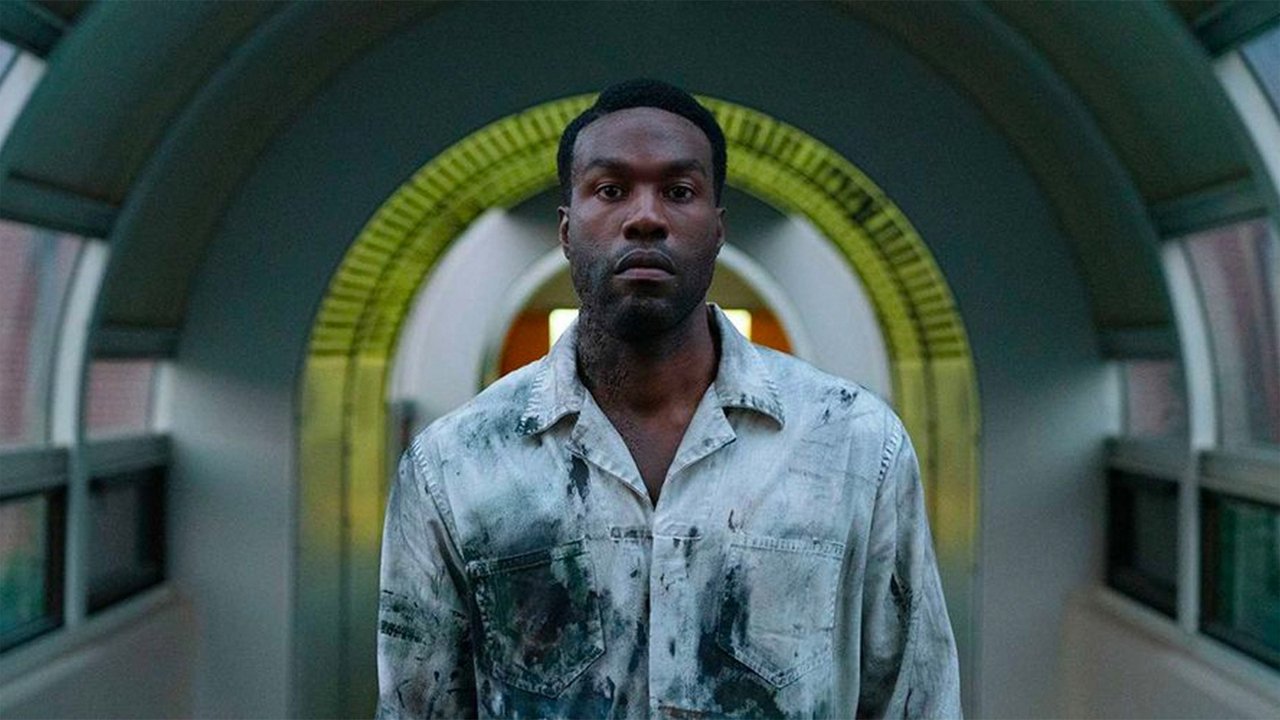
Bernard Rose moved Clive Barker’s short story “The Forbidden” from Liverpool to Chicago’s Cabrini-Green housing project, and that setting is why the film still bites. Virginia Madsen’s grad student Helen investigates an urban legend, and the film treats the real neglect of the towers as a horror in its own right, with Tony Todd’s hook-handed spirit gliding through it like an inevitability. Philip Glass’s choral score makes every appearance feel like a funeral mass rather than a monster movie.
It ranks lowest here because large stretches play as a slow procedural, and the kills are more operatic than frightening. The mirror ritual, though, remains one of the genre’s great dares, and we have never met anyone who tried saying the name five times on a first viewing. Nia DaCosta’s 2021 sequel of the same title is worth a look afterwards, but Rose’s original is the one that gets under the skin.
19. Lake Mungo (2008)
Joel Anderson’s Australian mockumentary looks, for its first half-hour, like a sober true-crime special about a drowned teenager and the family she left behind. Then the photographs start showing things the family cannot explain, and the film becomes a ghost story told entirely through interviews, home video and grainy phone footage.
There is exactly one shock in the whole picture, and it is among the most effective we have ever seen because the film has spent an hour teaching you to lean in close to blurry images. Lake Mungo is the pick for readers who cannot handle gore and want a film about grief and guilt that happens to be frightening. It had almost no theatrical life on release, which makes its current reputation as a word-of-mouth essential a genuine triumph.
18. Audition (1999)
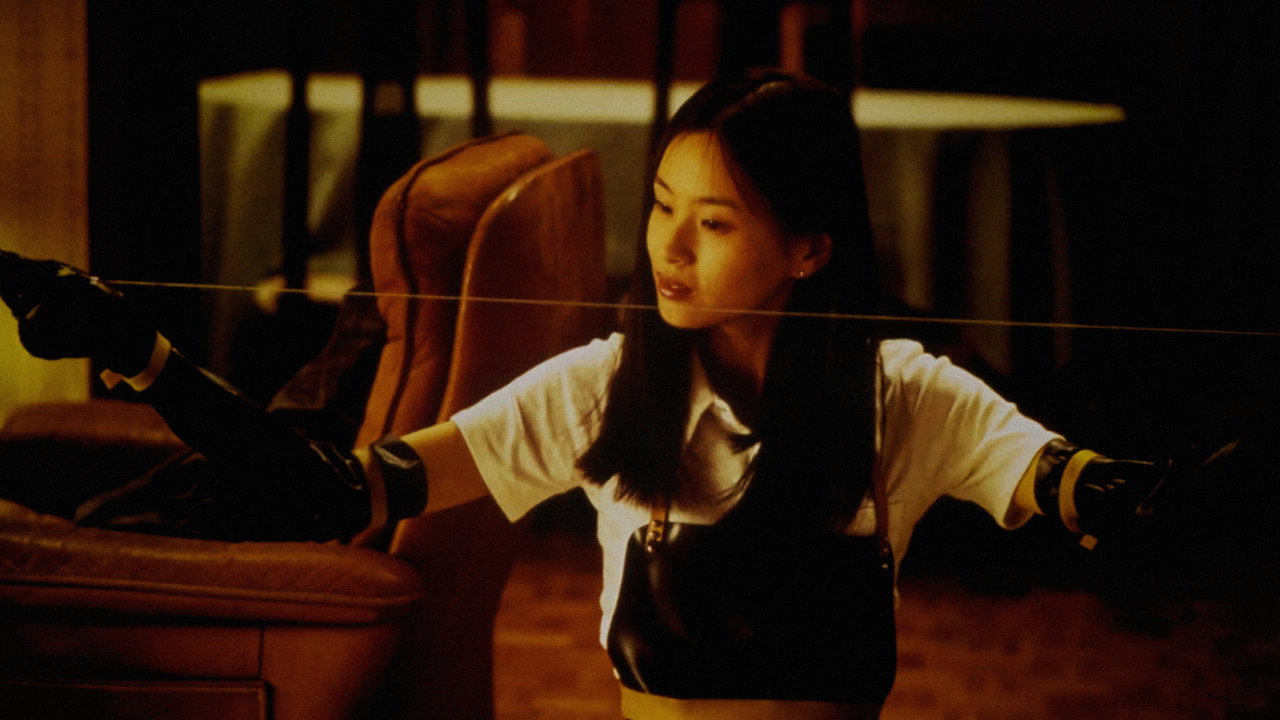
Takashi Miike’s adaptation of Ryu Murakami’s novel spends its first hour as a melancholy romantic drama about a widowed Tokyo producer who stages a fake film audition to find a new wife. Everything about Eihi Shiina’s quiet, smiling Asami tells you something is wrong, and Miike lets that feeling curdle with almost no music and very little incident.
The final act tests the limits of what audiences will sit through, and the famous festival walkouts were not a marketing stunt. We placed it here rather than higher because the horror is concentrated in a single stretch, and the film is more disturbing than dread-soaked. Still, a particular sack on a living-room floor is one of the most upsetting images the genre has produced, and it lands harder the less you know going in.
17. The Wailing (2016)
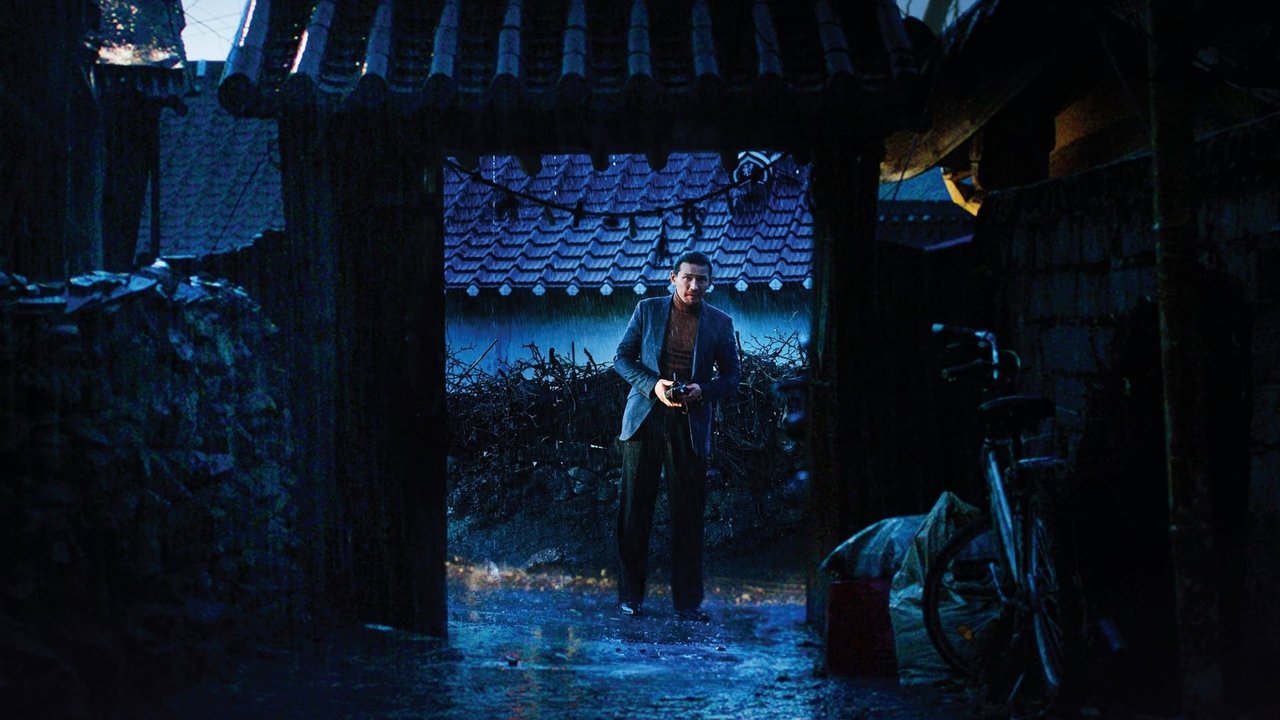
Na Hong-jin’s two-and-a-half-hour Korean epic starts as a bumbling police comedy in a mountain village and ends somewhere close to apocalyptic. Kwak Do-won plays an incompetent cop investigating a wave of murders that locals blame on a Japanese stranger, played by Jun Kunimura, who lives alone in the hills.
What makes The Wailing terrifying is that it never tells you which belief system to trust, so every ritual, warning and prayer feels like a possible trap. The shamanic exorcism sequence is an endurance test for the nerves, cross-cut with the sickness of the cop’s young daughter until the two rhythms become unbearable. It suits readers who found Korean films like Bong Joon-ho’s The Host too entertaining to be scary and want something that refuses to offer comfort.
If you liked this
The Medium (2021), a Thai found-footage cousin produced by Na Hong-jin, for the same shamanic dread.
A Tale of Two Sisters (2003), for Korean horror with a colder, more domestic chill.
Thirst (2009), for Song Kang-ho in Park Chan-wook’s blood-soaked vampire tragedy.
16. [REC] (2007)
![[REC] (2007)](https://ecto-web.org/wp-content/uploads/2026/10/the-scariest-movies-of-all-time-ranked-still5.jpg)
Jaume Balagueró and Paco Plaza’s Spanish found-footage film follows a late-night TV reporter, played by Manuela Velasco, as she shadows a fire crew into a Barcelona apartment block that is sealed by the authorities minutes after they arrive. It runs under eighty minutes and almost never stops moving.
The genre’s usual complaint about found footage is that nothing happens for an hour. [REC] has the opposite problem, because something is always coming down a stairwell, and the single-camera restriction means you only see what the terrified cameraman manages to point at. The night-vision finale in the penthouse is as frightening as the format has ever been. Skip the 2008 American remake Quarantine, which copies the structure without the final ten minutes that make the original sing.
15. It Follows (2014)
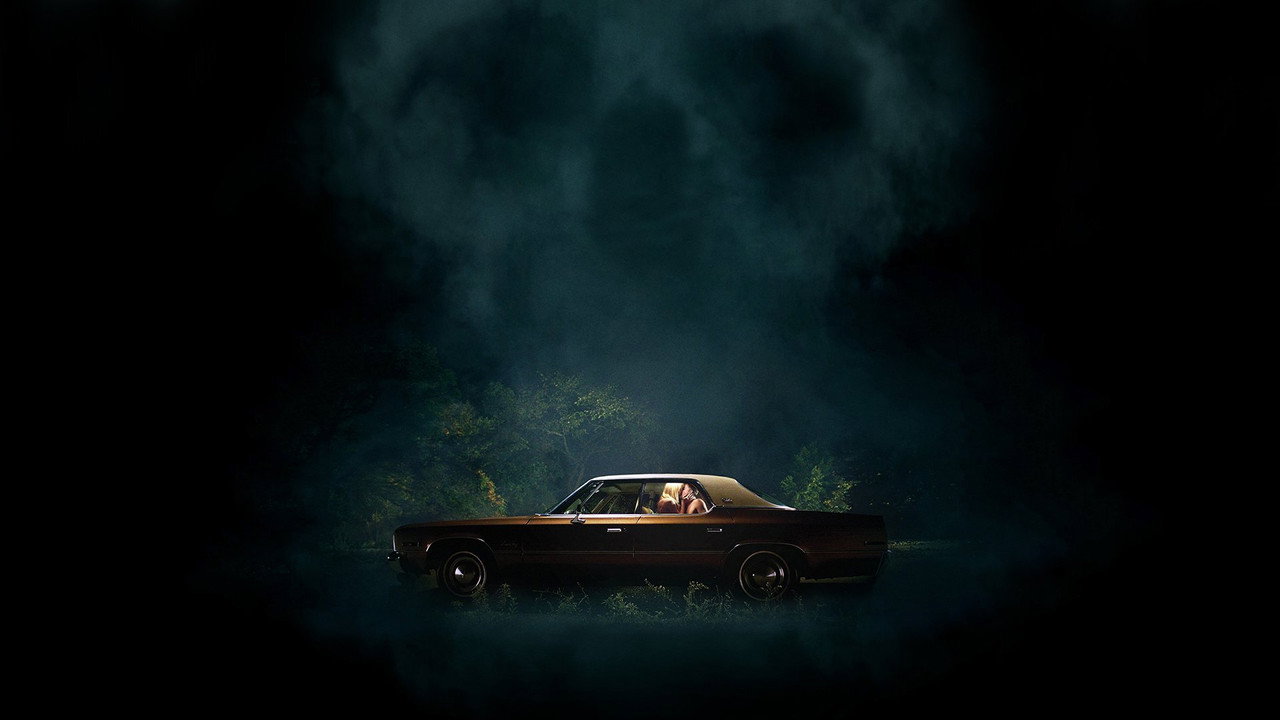
David Robert Mitchell’s film gives Maika Monroe’s Jay a simple curse: after a sexual encounter, something that only she can see walks towards her, slowly, forever, until it is passed on or it reaches her. The rule is explained in one scene and never bent.
The film’s genius is in the wide shots, where Mitchell lets you scan the edges of the frame for any figure walking in a straight line, and Disasterpeace’s synth score turns the dreamy Detroit suburbs into a trap. We dropped it a few places because the actual encounters vary in impact and the pacing sags mid-film. Even so, no other movie here makes a stranger walking across a parking lot feel like a death sentence, and that feeling lingers for days.
14. The Descent (2005)
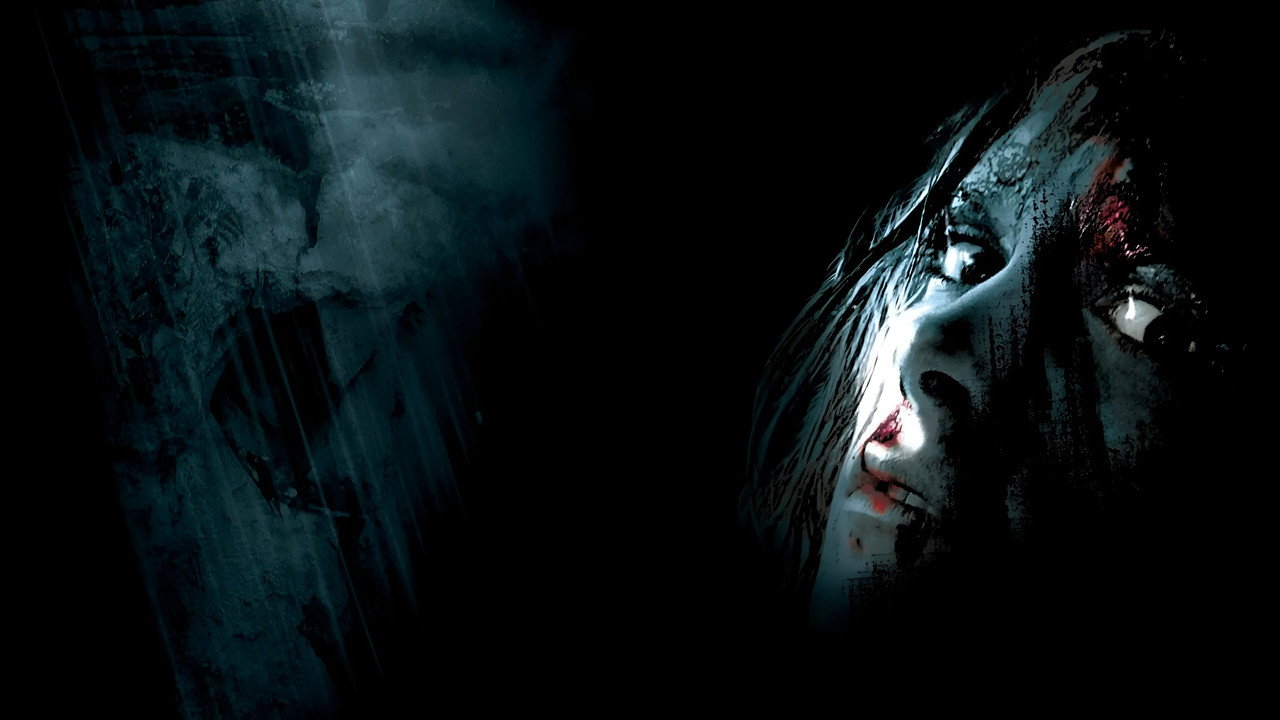
Neil Marshall’s British film sends six women caving in the Appalachians a year after one of them, Shauna Macdonald’s Sarah, lost her family in a car accident. The first half is pure survival horror, with squeezes through rock that will make anyone with the slightest claustrophobia sweat, and it would still be frightening if nothing lived down there.
Something does, and the moment the film reveals it through a camcorder’s night-vision is a legendary jolt. From there the women become prey in total darkness, and Marshall shoots the violence with a nastiness that makes the gore feel earned rather than gleeful. Seek out the original UK cut, which runs about a minute longer and keeps the bleaker ending that the US release trimmed away.
13. The Conjuring (2013)
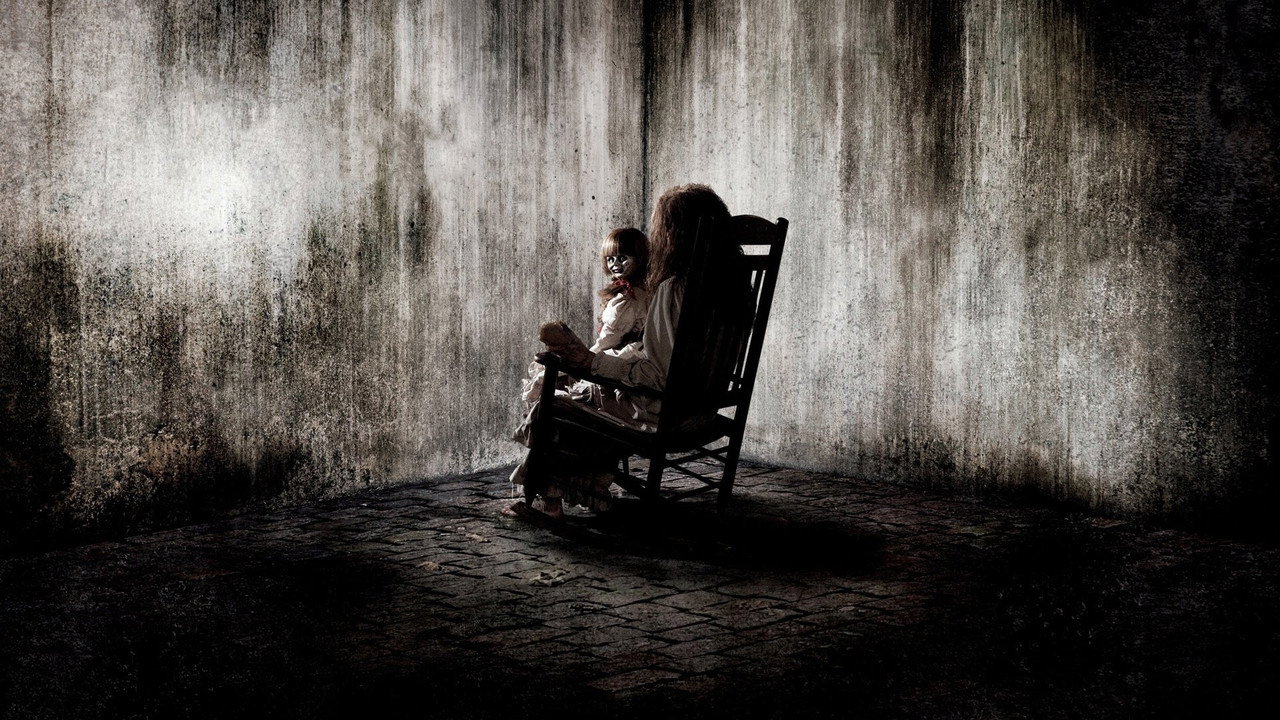
James Wan’s film dramatises the Perron family’s 1971 haunting in Rhode Island, with Patrick Wilson and Vera Farmiga as demonologists Ed and Lorraine Warren. Whatever you make of the real Warrens, Wan uses the period setting and a gliding camera to build the most purely effective haunted house movie since Poltergeist.
The hide-and-clap game is the set piece everyone remembers, but the wardrobe scene and the basement sequence are built with equal care, each one letting silence stretch until the audience begs for the release. It is highly accessible, which is why we recommend it as a first “serious” horror movie for teenagers and nervous partners. The scares are loud and frequent, so readers who hate jump scares should start with Lake Mungo instead. For more haunted-house and demonic picks beyond this one, our roundup of the best horror movies supernatural in nature covers the whole Conjuring universe.
12. Ringu (1998)
Hideo Nakata’s adaptation of Koji Suzuki’s novel built the template for an entire wave of J-horror: a cursed video tape, a seven-day countdown and a reporter, played by Nanako Matsushima, racing to understand it before the phone rings for her. The cursed footage itself, a minute of black-and-white images including a figure at a well, is far more disturbing than any effects sequence of its era.
Gore Verbinski’s 2002 American remake The Ring, with Naomi Watts, is slicker and has its own champions, and we would happily recommend it to anyone allergic to subtitles. The original, though, is the scarier film because of how little it shows. Sadako’s crawl in the final reel is the single image that defined a decade of horror, and it still has the power to make a room of jaded fans go silent.
11. Sinister (2012)
Scott Derrickson’s Blumhouse film casts Ethan Hawke as a true-crime writer who moves his family into a murder house and finds a box of Super 8 reels in the attic. Each reel shows a different family being killed, scored by Christopher Young’s droning music and shot on degraded film stock that looks found rather than staged.
Those home movies are the reason Sinister topped the 2020 Science of Scare project, which measured viewers’ heart rates across dozens of films and found this one spiked them highest. The pagan deity Bughuul is less effective in full view, and the final act leans on jump scares. Even so, the lawnmower reel is a scare we still flinch at, and the film’s thesis, that watching violence invites it in, makes it uneasy viewing for anyone who loves the genre.
10. The Babadook (2014)
Jennifer Kent’s debut gives Essie Davis one of the great horror performances as Amelia, a widowed Australian mother at the end of her rope with her disruptive son, Samuel, played by Noah Wiseman. A pop-up book called Mister Babadook appears on the shelf, and the creature in it starts to visit.
The Babadook is frightening in two registers at once. The monster, all top hat and stop-motion jerkiness, is a nightmare out of a silent film, and the sequence where Amelia watches late-night television while something stirs in the room is immaculate. Underneath that, Kent builds an unbearable portrait of guilt and resentment in a home where the parent is the real danger. It suits readers who want horror that means something and are willing to be wrung out by it.
If you liked this
Relic (2020), for Australian family horror where dementia becomes the haunting.
The Night House (2020), for Rebecca Hall’s take on a widow’s grief turning supernatural.
Goodnight Mommy (2014), for a cold Austrian twin to The Babadook’s mother-and-child dread.
9. The Witch (2015)
Robert Eggers’s A24 debut follows a Puritan family banished from their New England plantation in the 1630s to farm at the edge of a forest. Anya Taylor-Joy’s Thomasin is the eldest daughter, and when the baby vanishes during a game of peekaboo the family begins to devour itself with suspicion.
The dialogue is drawn from period documents, the farm was built by hand and the light is mostly candles and overcast sky, so the film feels less like a production than a recovered record. Nothing in it is designed to make you jump. Instead Eggers works in cold stone and wet wool, with Mark Korven’s score scraping underneath until the sight of a hare at the treeline feels like doom. Black Phillip the goat became a meme, which undersells how genuinely frightening the final twenty minutes are.
8. Alien (1979)
Ridley Scott’s film is often filed under science fiction, and it belongs here anyway, because it is a haunted house movie in which the house is a commercial towing ship called the Nostromo. Sigourney Weaver’s Ripley and her blue-collar crew answer a distress call, and H.R. Giger’s biomechanical creature does the rest.
The famous dinner scene is the jolt, but the fear comes from everything around it: the dripping corridors, the motion tracker’s pinging, Jerry Goldsmith’s score, and a monster shown so rarely that your brain fills the shadows. The crew are prey in a maze that was never built for people. Creative Assembly’s 2014 game Alien: Isolation stretches that same idea over fifteen hours and sits near the top of our ranking of the best horror survival games, which tells you how durable Scott’s design remains.
7. The Blair Witch Project (1999)
Daniel Myrick and Eduardo Sánchez shot their fake documentary in the Maryland woods for well under a hundred thousand dollars, and Artisan turned it into a box-office phenomenon that grossed close to a quarter of a billion dollars worldwide. Three student filmmakers, played by Heather Donahue, Michael C. Williams and Joshua Leonard, go looking for a local legend and never come back.
It is easy to forget, after the backlash and the parodies, that the film is still frightening when you meet it on its own terms. There are no effects and no monster, only piles of stone outside the tent, bundles of sticks in the trees, children’s voices at night and three people slowly realising the map no longer helps. The final shot in the house remains, for our money, the most chilling ending in the genre, and it is achieved with nothing more than a camera and a corner.
6. The Thing (1982)
John Carpenter’s remake of the 1951 film The Thing from Another World strands an American research team in Antarctica with a shape-shifter that can imitate any of them perfectly. Universal released it two weeks after E.T. in the summer of 1982 and it flopped, then spent the next four decades being recognised as one of the best monster movies ever made.
Rob Bottin’s practical effects are still astonishing, and the dog-kennel scene and the defibrillator scene remain genuinely shocking rather than merely gross. What keeps the film this high, though, is the blood-test sequence, which may be the single most suspenseful scene in horror, and Ennio Morricone’s heartbeat score pulsing under Kurt Russell’s exhausted MacReady. The gore is heavy, so it suits readers who like their dread served with spectacular, violent practical work.
5. Halloween (1978)
Shot in South Pasadena on a budget of around three hundred thousand dollars by Compass International Pictures, Halloween turned Jamie Lee Curtis into a star and Michael Myers into a shape that still stalks the genre. Carpenter’s own piano theme does as much work as any image, and the film contains almost no blood.
The scares come from composition. Carpenter keeps putting the Shape in the background of frames where Laurie cannot see him, behind a hedge or across a street, so the audience spends the whole afternoon section waiting for someone else to notice. Donald Pleasence’s Dr Loomis supplies the dread with his speeches about a boy with “the devil’s eyes”. We have written separately about how John Carpenter’s Halloween started the slasher boom, and the irony is that almost none of its imitators understood why it was frightening.
4. The Shining (1980)
Stanley Kubrick’s adaptation of Stephen King’s 1977 novel moves the Torrance family into the Overlook Hotel for a snowed-in winter as caretakers, and watches Jack Nicholson’s writer come apart. King famously disliked it, mostly because Kubrick strips out the book’s sympathy for Jack and replaces it with something colder.
That coldness is the horror. The Steadicam glides after Danny’s tricycle through corridors that never quite make architectural sense, the Grady twins stand at the end of a hallway, and Room 237 waits. Shelley Duvall’s performance as Wendy, extracted under notoriously punishing conditions, gives the film its only warmth and makes the baseball-bat staircase scene almost unbearable. Two cuts exist: the 144-minute American version and the 119-minute international one Kubrick trimmed himself, and we prefer the longer edit for the slow hotel-tour setup that makes everything later feel inevitable.
If you liked this
Doctor Sleep (2019), Mike Flanagan’s sequel that reconciles Kubrick’s film with King’s book.
The Innocents (1961), for the black-and-white ancestor of every ambiguous haunting.
Session 9 (2001), for a crumbling asylum and another working man slowly losing his mind.
3. The Texas Chain Saw Massacre (1974)
Tobe Hooper’s film has a reputation as a bloodbath, and first-time viewers are usually startled by how little gore is actually on screen. What they get instead is the most sustained sense of wrongness in American horror, shot in the Texas summer heat of 1973 by a crew who were visibly suffering.
Five young people on a road trip wander into a farmhouse, and Gunnar Hansen’s Leatherface answers the door. Hooper’s camera jerks and stumbles like a documentary, the soundtrack is a scrapyard of metallic shrieks, and the dinner scene puts Marilyn Burns’s Sally through a stretch of screaming that feels closer to a real breakdown than a performance. The film’s final image, a chainsaw swung at sunrise, is pure, feral joy, and it is the reason we rank this above the slicker classics. Note the spelling of “Chain Saw” in the original title; the 2003 remake and later sequels closed the gap.
2. Hereditary (2018)
Ari Aster’s debut, released by A24, follows the Graham family after the death of the grandmother, with Toni Collette as Annie, a miniaturist artist, Gabriel Byrne as her husband, and Alex Wolff and Milly Shapiro as their children. For its first half it plays as a drama about guilt and inheritance, and then one event on a dark road breaks it open.
Collette’s dinner-table outburst and her performance across the whole film should have won awards, and Aster’s framing of the family home as one of Annie’s dollhouses makes every room feel observed. The final half hour is sustained panic, with a shot of something in the dark corner of a bedroom that audiences in our screening gasped at in unison. It is the scariest film of this century and the one we most often warn people away from, because it does not offer the release of a conventional ending. Readers who want a palate cleanser afterwards should look to Aster’s own Midsommar (2019), which is unsettling but far sunnier.
1. The Exorcist (1973)
William Friedkin’s adaptation of William Peter Blatty’s 1971 novel, produced by Warner Bros., remains the scariest movie of all time by our measure, and the reasons have little to do with pea soup. It is the story of a Georgetown actress, Ellen Burstyn’s Chris MacNeil, whose twelve-year-old daughter Regan, played by Linda Blair, changes in ways that medicine cannot explain, and of two priests, Jason Miller’s doubting Damien Karras and Max von Sydow’s weary Lankester Merrin, who answer the call.
Friedkin shoots the film like a documentary, with real hospital procedures, grey Washington winter light and a refrigerated bedroom set where the actors’ breath fogs on camera. The possession scenes escalate with brutal patience, and by the time the rite of exorcism is read, line by line to its final amen, the film has become a battle of wills that feels genuinely dangerous. Reports of fainting and ambulances outside cinemas in 1974 were not a publicity stunt, and the film won two Academy Awards, for Adapted Screenplay and Sound. The 2000 “Version You’ve Never Seen” adds the spider-walk scene and about eleven minutes; the 1973 theatrical cut is the tighter and, we think, scarier film.
Films that just missed the ranking
Cutting this to twenty hurt, and a few of the near-misses deserve naming. Psycho (1960) and Rosemary’s Baby (1968) built the modern genre and remain superb, but their scares have been so thoroughly absorbed by everything after them that first-time viewers rarely come out shaking. Dario Argento’s Suspiria (1977) is gorgeous and savage, though its dreamy logic makes it hypnotic rather than frightening.
Wes Craven’s A Nightmare on Elm Street (1984) has the bathtub and the body-bag scenes, but Freddy’s later evolution into a comedian dulls the original on rewatch. Oren Peli’s Paranormal Activity (2007) scared us badly in a cinema and barely at all on a laptop, which told us something about its construction. Pascal Laugier’s Martyrs (2008) is one of the most violent films ever made and more of an ordeal than a horror movie.
Two more recent features nearly forced their way in. Rob Savage’s Host (2020), the Zoom séance film made during lockdown, is 57 minutes of near-perfect found footage. Osgood Perkins’s Longlegs (2024), released by Neon, has a first act of genuine dread before Nicolas Cage’s performance tips it into camp. And for anyone whose childhood terror of clowns began with the 1990 It miniseries, we have a separate piece on Tim Curry, whose Pennywise was ineligible here only because it was made for television. David Lynch’s Mulholland Drive (2001) contains, in its Winkie’s diner scene, a stand-alone scare better than most films on this list, and we mention it so that nobody accuses us of forgetting.
Which scary movie fits your night
The ranking above is ordered by fear, which is not always the right way to choose. These are our matches for common moods.
- First horror movie, nervous viewer: The Conjuring (2013). Loud but clean, with a comforting structure and no gore worth mentioning.
- Cannot handle gore at all: Lake Mungo (2008), The Blair Witch Project (1999) or Ringu (1998). Between them there is not a single wound on screen.
- Group night with friends: [REC] (2007) or The Descent (2005). Short, relentless and built to make a room shout at the screen.
- Want to feel something afterwards: The Babadook (2014) or Hereditary (2018). Both are about families, both will ruin your week.
- A classic you have been putting off: The Exorcist (1973). It is better than its reputation, which is saying something.
- Need to sleep later tonight: Candyman (1992). Eerie, beautiful, and the one film here that lets you off the hook.
FAQ
What is the scariest movie of all time?
We rank The Exorcist (1973) as the scariest movie of all time, with Hereditary (2018) as the strongest challenger from this century. Both films build unbearable dread through performance and sound rather than cheap shocks, and both have decades, or in Hereditary’s case years, of documented audiences leaving cinemas shaken. If a single scene is the measure, the Sadako reveal in Ringu (1998) and the final shot of The Blair Witch Project (1999) are the ones we would nominate.
Which scariest movie has the least gore?
The Blair Witch Project (1999) contains no blood at all, and Ringu (1998), Lake Mungo (2008) and The Babadook (2014) are nearly bloodless. Even The Texas Chain Saw Massacre (1974), despite the title, shows far less on screen than people remember. Readers who want frightening films without violent imagery should start with those four and work towards The Conjuring (2013).
Has anyone measured which horror movie is scariest scientifically?
The Science of Scare project, run by the UK comparison site Broadbandchoices in 2020, monitored viewers’ heart rates across a shortlist of acclaimed horror films and ranked Sinister (2012) first, with Insidious (2010) second. The method rewards jump scares over slow dread, which is why films like The Shining (1980) and The Witch (2015) score lower there than they do with us, but it confirms that Sinister’s home-movie reels are among the most physically stressful scenes ever filmed.
Are the remakes as scary as the originals?
Almost never, with one exception. The Thing (1982) is a remake of a 1951 film and improves on it in every way. Elsewhere, Ringu (1998) beats The Ring (2002), [REC] (2007) beats Quarantine (2008), The Texas Chain Saw Massacre (1974) beats its 2003 remake, and Halloween (1978) beats Rob Zombie’s 2007 version. When a film on this list has a remake or reboot, we always recommend the version listed.
What is a good scary movie for someone who has never watched horror?
Start with The Conjuring (2013), which is structured like a classic ghost story and never shows anything gruesome, then move to Halloween (1978) for a sense of where the genre came from. If both land well, It Follows (2014) is a gentle step into stranger, slower dread. Save The Exorcist and Hereditary for when you trust your nerves, because neither offers much comfort on the way out.