
You want the horror films that still work, not the ones that merely sold tickets or picked up a cult. This ranking covers twenty films from 1960 to 2018, each with an honest scare profile, who it suits, and where you can watch it tonight. Everything below is spoiler-free, so you can read it straight through before picking.
How we ranked these films
A ranking of the best horror movies ever made needs rules, otherwise it turns into a list of personal favourites with numbers stapled on. We used four tests, applied to every film we considered.
It has to still scare a first-time viewer. Several famous horror films are historically vital but play as curiosities now. Those are worth your time, but they are not on this list unless they still land.
It has to be a complete film. Great set pieces are not enough. Script, performances and sound design all count, because a horror film with a dead middle hour loses its audience before the finale.
Influence counts, but imitation is not the film’s fault. Halloween spawned a decade of cheap copies. You judge Halloween on what Carpenter shot, not on Friday the 13th Part V.
One entry per franchise, original cut only. We rank the film that was released, not a remake, a sequel, or a director’s cut, and we tell you which version to watch in each entry.
Scare levels are our own ratings out of 5. A 5 means we would not recommend it to someone new to the genre. Our separate list of the most terrifying films ever made leans harder on raw fear; this one weighs craft just as heavily.
Quick comparison
| Rank | Film | Year | Subgenre | Scare level | Where to watch |
|---|---|---|---|---|---|
| 1 | The Exorcist | 1973 | Possession | 5/5 | HBO Max, digital rental |
| 2 | The Shining | 1980 | Haunted house | 4/5 | HBO Max, digital rental |
| 3 | Halloween | 1978 | Slasher | 4/5 | Digital rental, often Shudder |
| 4 | Alien | 1979 | Sci-fi horror | 4/5 | Hulu, Disney+, digital rental |
| 5 | The Thing | 1982 | Body horror | 4/5 | Peacock, digital rental |
| 6 | Psycho | 1960 | Psychological thriller | 3/5 | Peacock, digital rental |
| 7 | The Texas Chain Saw Massacre | 1974 | Backwoods horror | 5/5 | Digital rental, often Shudder |
| 8 | Hereditary | 2018 | Family horror | 5/5 | Digital rental |
| 9 | Rosemary’s Baby | 1968 | Occult | 3/5 | Paramount+, digital rental |
| 10 | Night of the Living Dead | 1968 | Zombie | 3/5 | Free (public domain), Tubi |
| 11 | The Silence of the Lambs | 1991 | Serial killer | 3/5 | Digital rental, often Prime Video |
| 12 | Jaws | 1975 | Creature feature | 3/5 | Peacock, digital rental |
| 13 | A Nightmare on Elm Street | 1984 | Supernatural slasher | 4/5 | HBO Max, digital rental |
| 14 | Ringu | 1998 | J-horror | 4/5 | Shudder, AMC+, digital rental |
| 15 | Get Out | 2017 | Social thriller | 3/5 | Peacock, digital rental |
| 16 | The Wicker Man | 1973 | Folk horror | 3/5 | Digital rental |
| 17 | Suspiria | 1977 | Giallo / supernatural | 3/5 | Tubi, Shudder, digital rental |
| 18 | The Babadook | 2014 | Psychological horror | 4/5 | Shudder, AMC+, digital rental |
| 19 | The Blair Witch Project | 1999 | Found footage | 4/5 | Digital rental |
| 20 | Scream | 1996 | Meta slasher | 3/5 | Paramount+, digital rental |
Streaming rights rotate every few months, so treat the right-hand column as a starting point and check a service like JustWatch before you settle in.
1. The Exorcist (1973)
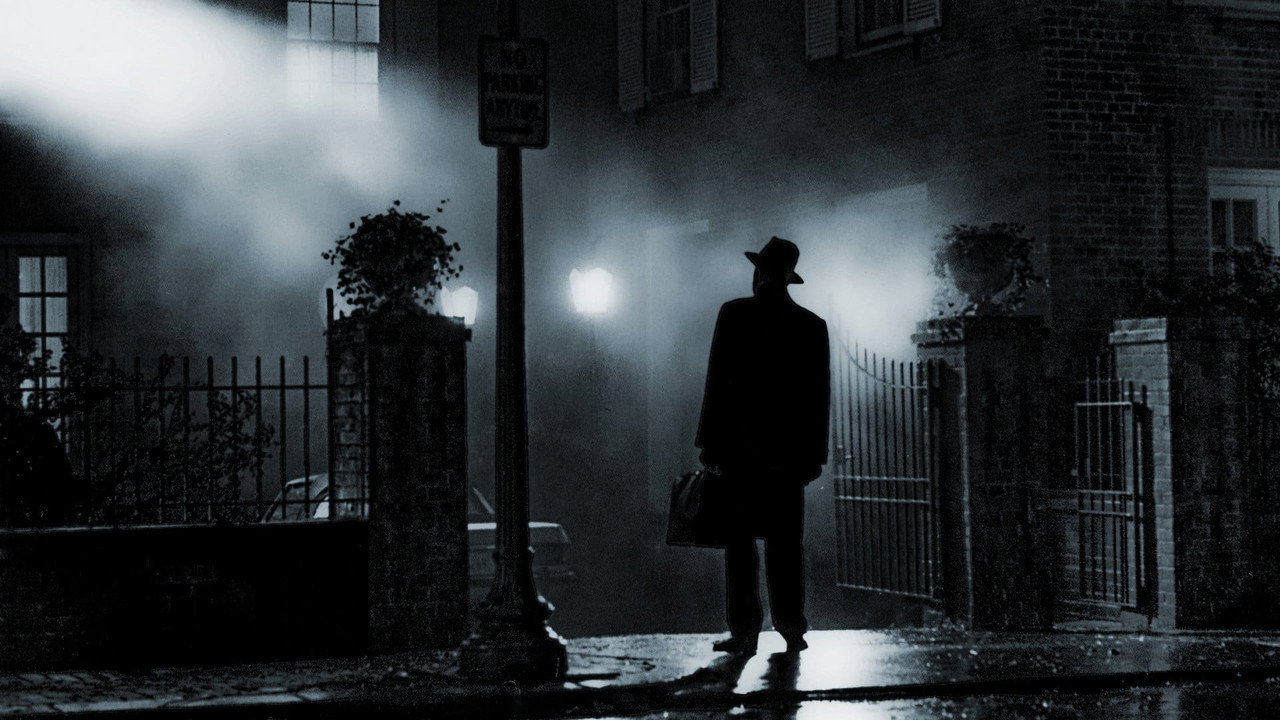
William Friedkin’s adaptation of William Peter Blatty’s 1971 novel is the top pick because it does the hardest thing in horror: it makes you believe. The first hour barely registers as a horror film at all. You watch a mother, played by Ellen Burstyn, take her daughter from doctor to doctor while the medical explanations run out, and that slow, clinical dread is what makes the bedroom scenes unbearable when they arrive.
Warner Bros. released it on Boxing Day 1973 and it became a genuine cultural event, with reports of fainting and walkouts that the studio was happy to amplify. It earned ten Academy Award nominations, including Best Picture, a first for a horror film, and won for Adapted Screenplay and Sound. Watch the original theatrical cut rather than the 2000 extended version, which adds the spider-walk and a softer ending that dilutes Friedkin’s original intent. Of all the horror movies supernatural in subject matter, this is the one that treats faith and doubt as real stakes rather than set dressing. It suits experienced viewers; nobody should start their horror education here.
2. The Shining (1980)
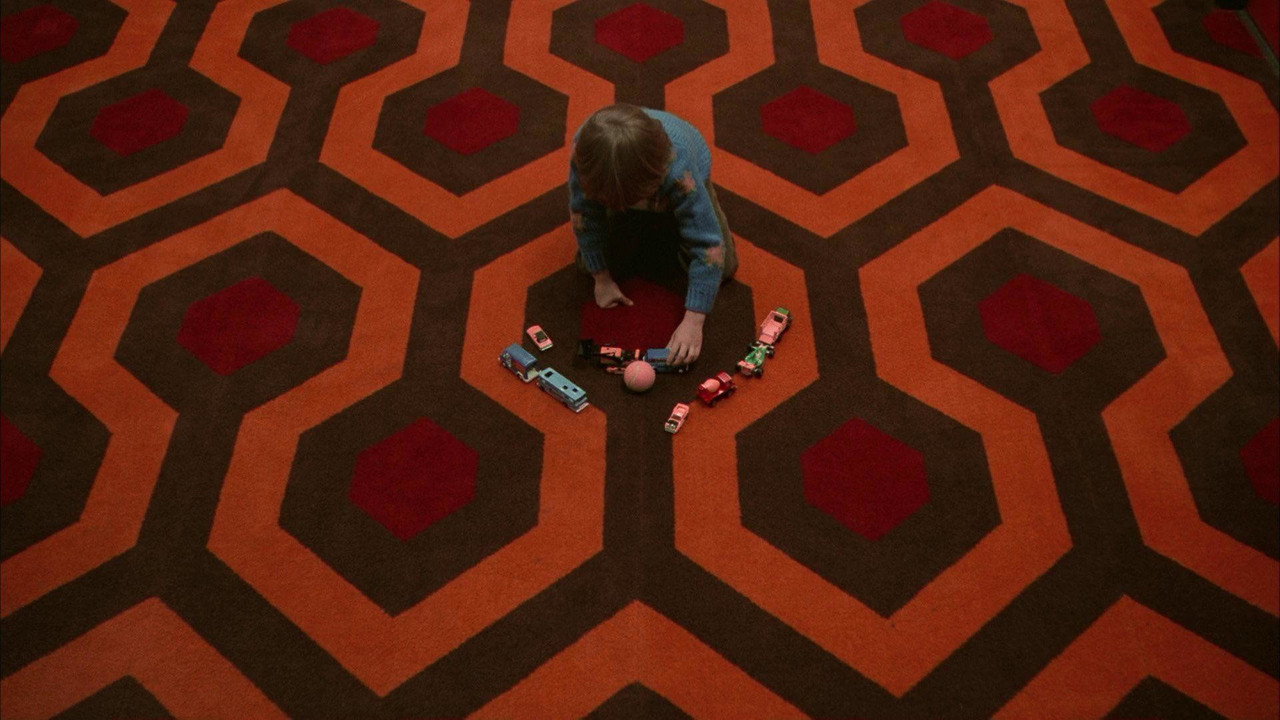
Stanley Kubrick’s take on Stephen King’s 1977 novel is the best-looking horror film ever made, and the looks are the horror. The Overlook Hotel’s impossible geography, the Steadicam gliding behind Danny’s tricycle, the symmetrical corridors: all of it builds the sense that the building itself is wrong before anything overtly frightening happens. Jack Nicholson’s performance tips into madness early, which annoys King purists, but it frees the film to be about the hotel rather than one man’s breakdown.
Two cuts exist. The 144-minute US version is the one to watch; the 119-minute European cut loses texture that matters. The film was coolly received in 1980 and even picked up Razzie nominations for Kubrick and Shelley Duvall at the first-ever ceremony, which tells you how much critical consensus can shift. This is the pick for viewers who want dread over shocks, and it rewards a second viewing more than anything else on this list.
3. Halloween (1978)
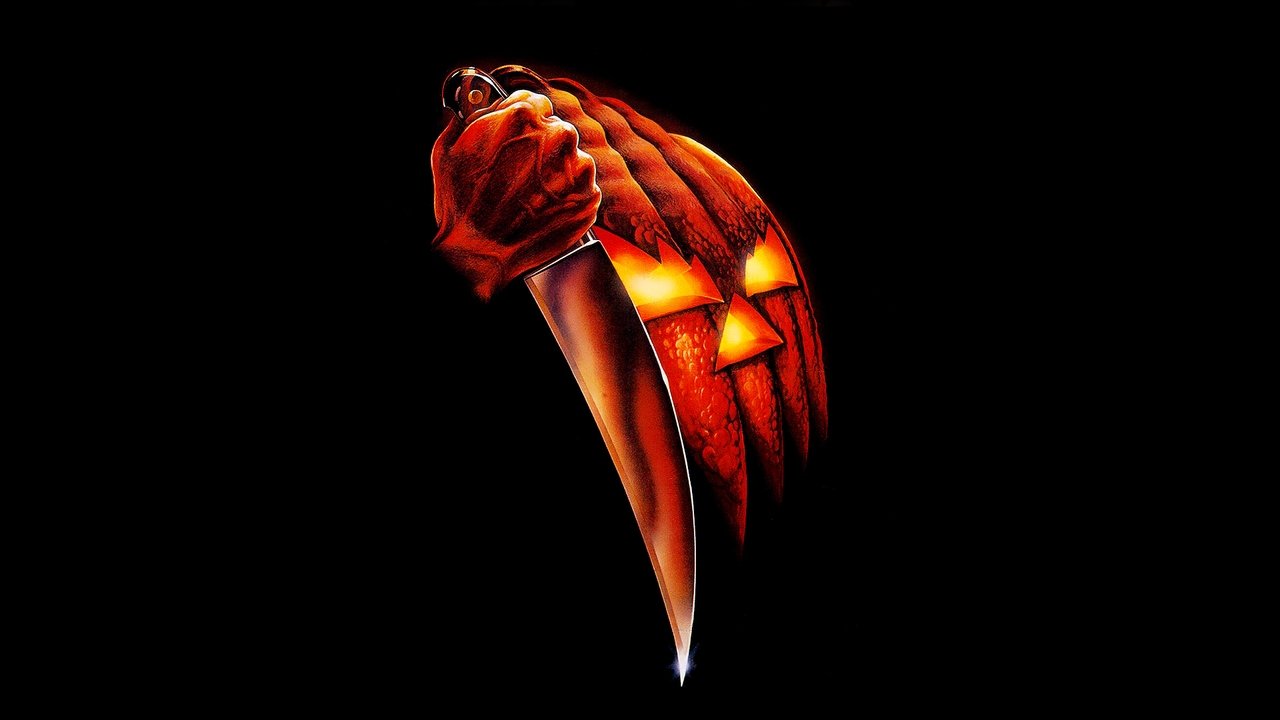
John Carpenter shot Halloween in around twenty days on a budget of roughly $300,000, and the film went on to gross tens of millions, becoming one of the most profitable independent features of its era. The template it set, a masked killer stalking suburban teenagers on a single night, got copied so relentlessly that you can forget how restrained the original is. There is almost no blood. The fear comes from the widescreen frame, where Michael Myers stands in the background of a shot and simply does not move.
Carpenter’s piano theme, written in a day, does half the work, and Jamie Lee Curtis makes a debut so assured that the scream queen label followed her for decades. Co-writer and producer Debra Hill gave the teenage dialogue a naturalism that most slashers never bothered with. Watch the 1978 film, not Rob Zombie’s 2007 remake and not the 2018 sequel that shares its title. It is the ideal first slasher for anyone who dislikes gore, and it still plays beautifully with a crowd.
4. Alien (1979)
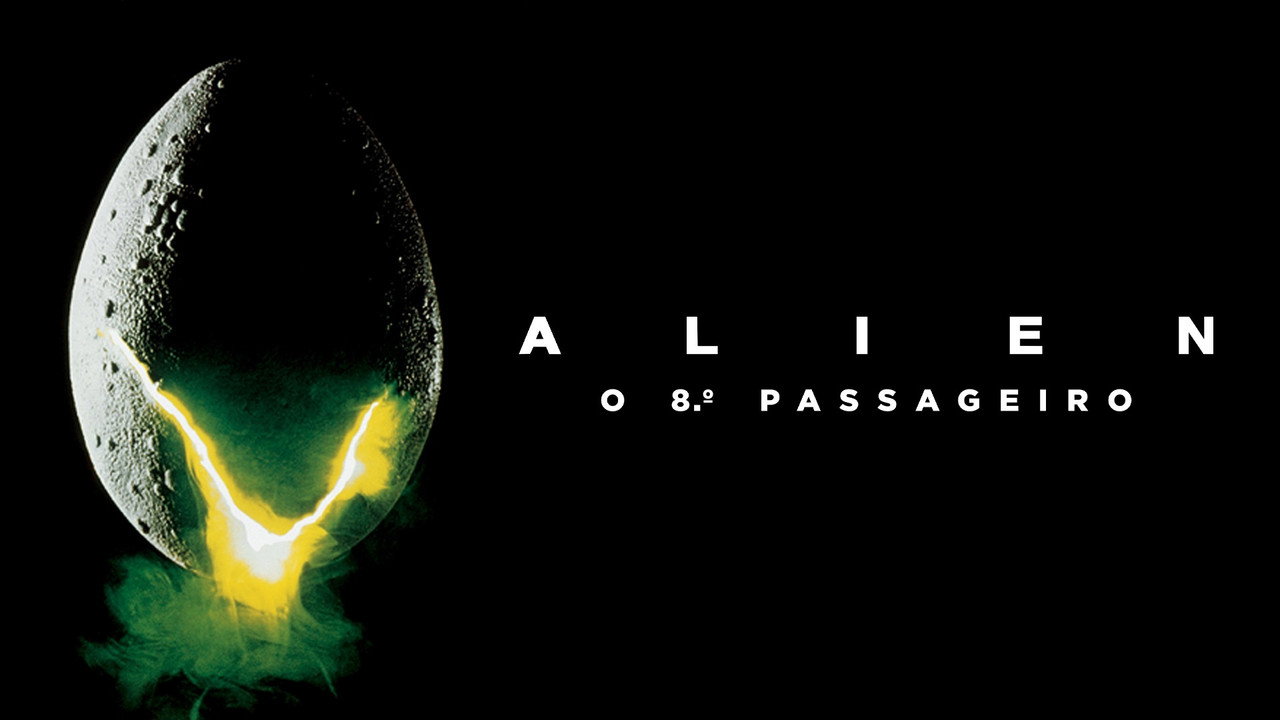
Ridley Scott’s second feature is a haunted house film in a spaceship, and it works because the ship feels lived in. The crew of the Nostromo bicker about bonuses and eat bad food, so when something starts hunting them you care about the people and not just the creature. H.R. Giger’s biomechanical designs won the film an Oscar for Visual Effects and gave cinema its most disturbing monster, one that looks sexual, industrial and organic at once.
Sigourney Weaver’s Ripley rewrote who gets to survive a horror film, and the dinner scene remains the genre’s most famous single shock. Scott prefers the 1979 theatrical cut to his own 2003 Director’s Cut, and so do we. If you play horror survival games, Alien: Isolation from Creative Assembly in 2014 is the rare licensed title that captures this specific film’s rhythm of hiding and listening. Alien suits almost everyone; it is intense but never gratuitous, and the pacing never sags.
5. The Thing (1982)
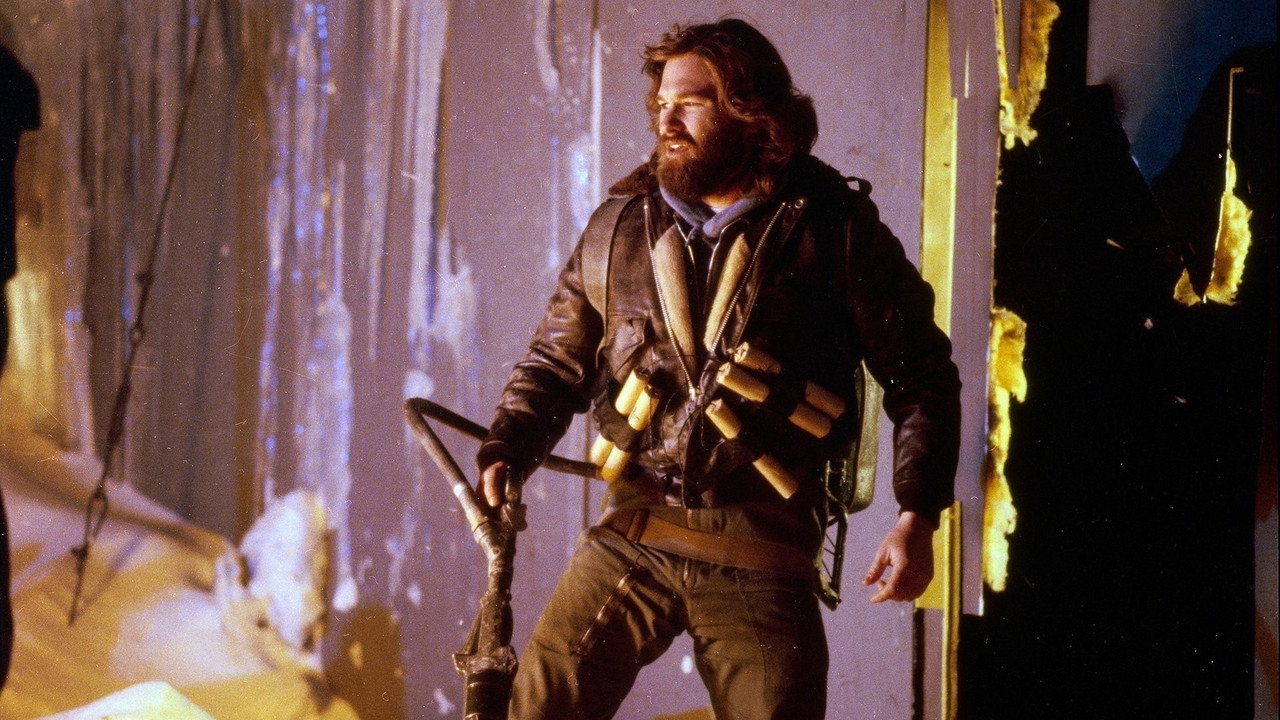
Carpenter’s second film on this list bombed when Universal released it in June 1982, two weeks after E.T. taught audiences to love aliens. Critics called it repulsive. They were half right. Rob Bottin’s practical creature effects, built when he was in his early twenties, are still the most inventive gore ever put on film, and they are the reason the movie has never aged.
The real engine is paranoia. Twelve men at an Antarctic research station learn that any one of them could already be the creature, and the film refuses to tell you who to trust. Kurt Russell anchors it with a performance that gets quieter as things get worse, and Ennio Morricone’s heartbeat score keeps the tension flat and constant. It adapts John W. Campbell’s 1938 novella “Who Goes There?” rather than remaking the 1951 film directly, and the 2011 prequel confusingly shares its title. Avoid it if you can’t handle gore; everyone else should see this on the biggest screen you have.
6. Psycho (1960)
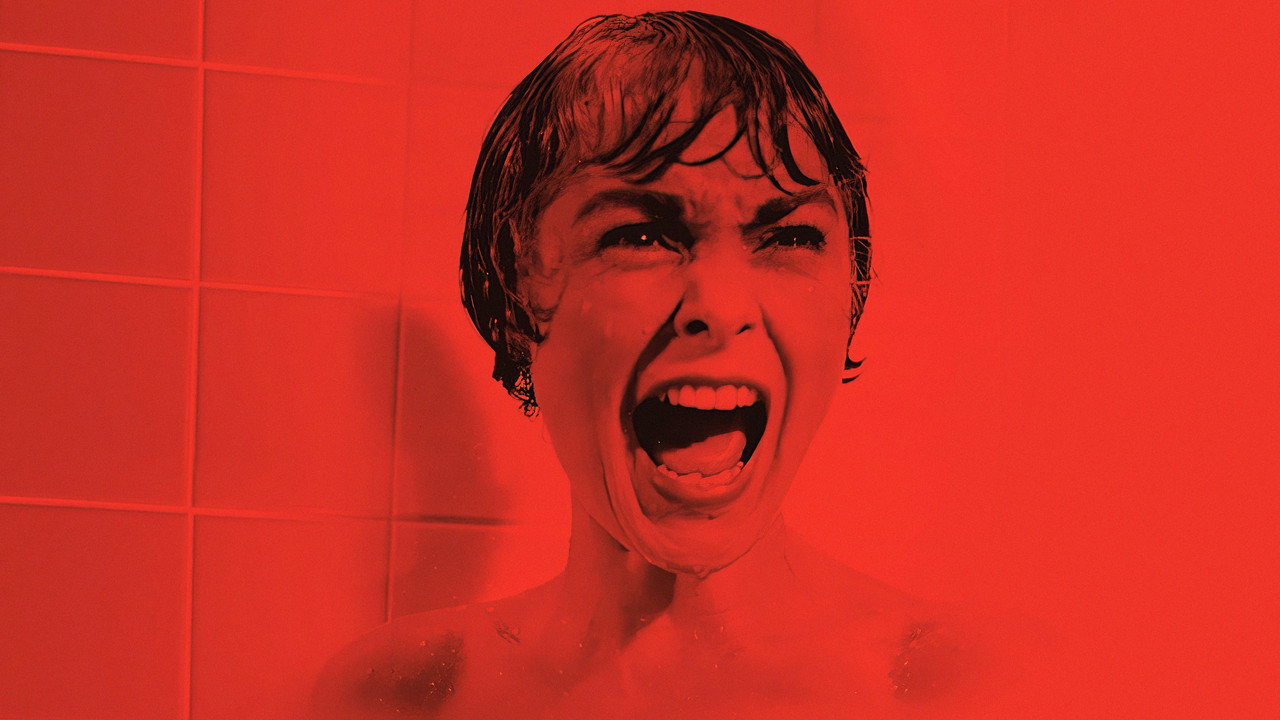
Alfred Hitchcock made Psycho cheaply, in black and white, with his television crew, after Paramount balked at the material. The result changed what mainstream cinema was allowed to show and how it was allowed to be structured. The film breaks its own rules around the forty-minute mark in a way that audiences in 1960 had never experienced, and Hitchcock enforced a no-late-admission policy so nobody would wander in and miss it.
Anthony Perkins gives one of the great screen performances as Norman Bates, nervous, polite and sad, and Bernard Herrmann’s all-strings score turned shrieking violins into shorthand for terror. Robert Bloch’s 1959 source novel drew on the Wisconsin crimes of Ed Gein, and the Ed Gein Netflix series from 2025 has sent a new generation back to this film to see where the lineage starts. Psycho is the safest entry point on this list: unsettling, brilliantly made, and nearly bloodless by modern standards.
7. The Texas Chain Saw Massacre (1974)
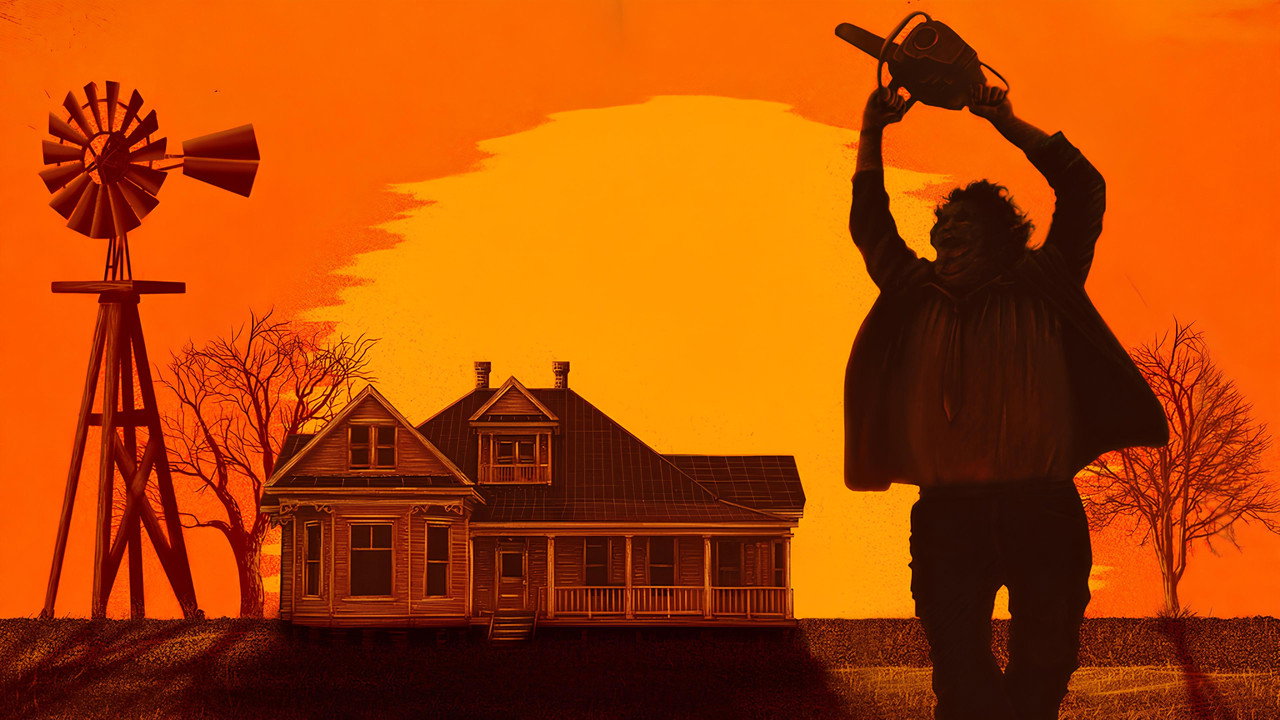
Tobe Hooper’s film is the most misunderstood title in horror. People assume it is a bloodbath because of the name. In fact almost nothing explicit appears on screen, and the sense of carnage comes from sound, editing and the heat-stroke texture of the 16mm photography. It was shot in a brutal Texas summer on a budget of roughly $140,000, and the exhaustion on the actors’ faces is not acting.
The final act, built around Marilyn Burns’ sustained screaming, is the closest horror cinema has come to genuine assault, which is why British censors kept it off the shelves until 1999. Leatherface’s masks of human skin come straight from the Gein case too. Make sure you watch the 1974 original: the 2003 remake, the 2022 Netflix sequel and several in-between entries all use near-identical titles. This one is strictly for viewers who already know they can take it.
8. Hereditary (2018)
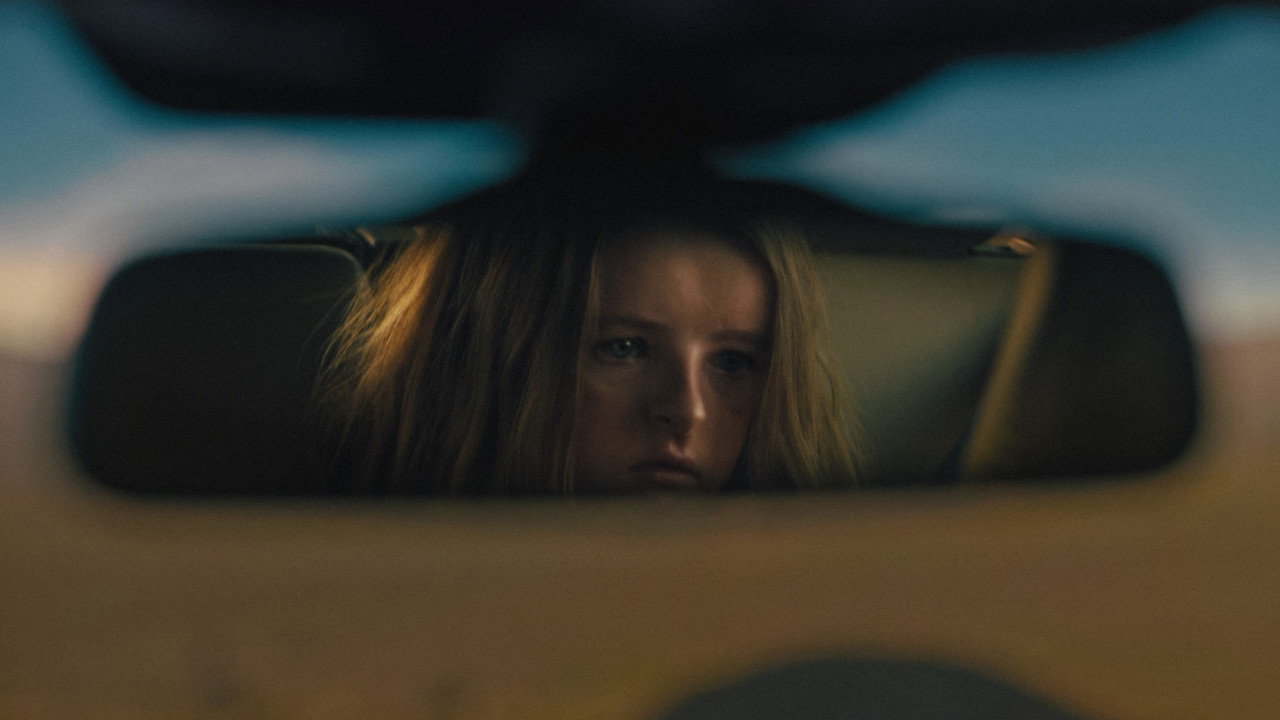
Ari Aster’s feature debut premiered at Sundance in 2018 and became A24’s biggest hit to that point, which says a lot about how far it pushed a mainstream audience. It is the most recent film on this list and the only one from the current wave of so-called elevated horror, included because it earns the label. Toni Collette’s performance as a grieving mother is as committed as anything in Rosemary’s Baby or The Exorcist, and it should have been in the Oscar conversation.
Aster shoots the family home like a dollhouse, which makes every character feel observed, and he stages one mid-film event that reorganises everything you thought the movie was about. We will not describe it. Alex Wolff and Milly Shapiro are both superb as the children. Hereditary belongs to the supernatural tradition but spends most of its runtime as a film about a family failing to talk to each other, which is why it hurts. Not for beginners, and not for anyone currently grieving.
9. Rosemary’s Baby (1968)
Roman Polanski’s adaptation of Ira Levin’s 1967 novel proved that horror could live in daylight, in a nice Manhattan apartment, among friendly neighbours. Mia Farrow’s Rosemary is pregnant, isolated and increasingly certain that the people around her, including her husband, played by John Cassavetes, are not telling her the truth. The film never lets you be sure whether she is right, and that uncertainty is the whole point.
Ruth Gordon won the Best Supporting Actress Oscar as the nosy neighbour Minnie Castevet, a performance that is funny right up until it is not. Paramount released it in 1968, the same year as Night of the Living Dead, and between them the two films dragged horror out of the Gothic castle and into the modern world. This is the pick for viewers who want unease rather than scares, and for anyone who thinks slow-burn horror is a recent invention.
10. Night of the Living Dead (1968)
George A. Romero and a group of Pittsburgh commercial filmmakers made this for around $114,000 and accidentally invented the modern zombie. The word “zombie” is never spoken; the film calls them ghouls. The rules it establishes, slow walkers, head shots, the bite that turns you, became the grammar for every walking-dead story since, from Dawn of the Dead to The Last of Us.
Duane Jones plays the lead, a Black man holding a farmhouse of panicking white strangers together, and the film’s bleakness about human cooperation hits harder than any of its monsters. A missing copyright notice pushed it into the public domain, which is why you can watch it free almost anywhere; seek out a restored print rather than a muddy upload. Tom Savini’s 1990 remake is respectable but secondary. It works for nearly any viewer and is the cheapest great horror film you will ever watch.
11. The Silence of the Lambs (1991)
Some will argue this is a thriller, and the Academy clearly agreed, since Jonathan Demme’s film is the only horror-adjacent title ever to sweep the big five Oscars: Picture, Director, Actor, Actress and Adapted Screenplay. The night-vision basement sequence settles the argument. That is horror filmmaking at its most precise, and the film earns its place through dread as much as plot.
Anthony Hopkins is on screen for roughly a quarter of an hour as Hannibal Lecter and dominates the whole picture; Jodie Foster’s Clarice Starling, constantly surrounded by taller men, is the film’s real spine. Thomas Harris borrowed details of the Buffalo Bill character from Ed Gein, which makes this the third film on the list with his shadow over it. Orion Pictures released it in February 1991, a month nobody expected a future Best Picture winner to arrive in. Recommend it to the friend who says scary movies are beneath them.
12. Jaws (1975)
Steven Spielberg’s adaptation of Peter Benchley’s novel is usually filed under blockbuster, but strip away the box office and you have a creature feature with the best structure in the genre. The mechanical shark, nicknamed Bruce, kept breaking, so Spielberg hid it for most of the runtime and let John Williams’ two-note theme do the hunting. The accident produced a masterclass in suggestion.
The second half, three men on a boat, is a character piece: Roy Scheider’s water-fearing police chief, Richard Dreyfuss’ rich-kid scientist and Robert Shaw’s Quint, whose monologue about the USS Indianapolis is the scariest scene in the film and contains no shark at all. Universal’s 1975 release invented the summer wide-release model and sent a generation of swimmers back to the shallows. It is the most family-friendly film here, and it still gets gasps from teenagers who think they are too cool for it.
13. A Nightmare on Elm Street (1984)
Wes Craven’s idea was simple and brutal: a killer who gets you in your dreams, so the one place every other horror film lets you escape to is where he lives. New Line Cinema was a small distributor when it released the film in November 1984; Freddy Krueger’s success built the studio, which is why it earned the nickname “the house that Freddy built.” Robert Englund’s Freddy is menacing here, with none of the wisecracking that softened the sequels.
The practical effects, especially the rotating-room set used for two of the film’s most famous deaths, still outclass most digital work. Heather Langenkamp’s Nancy is one of the genre’s great final girls because she fights back with a plan rather than luck, and a very young Johnny Depp makes his screen debut. Watch the 1984 original only; the 2010 remake adds nothing. It suits horror fans who want imagination with their gore.
14. Ringu (1998)
Hideo Nakata’s adaptation of Koji Suzuki’s novel is the film that launched the J-horror wave and, through Gore Verbinski’s 2002 American remake The Ring, reshaped Hollywood horror for a decade. The premise is a playground rumour: watch a cursed videotape and you have seven days to live. Nakata treats it with complete seriousness, following a journalist and her ex-husband as they investigate the tape’s origin with the pacing of a procedural.
What makes Ringu endure is restraint. There is no blood, almost no music in the key scenes, and a ghost design, Sadako with the long hair and the stiff, wrong movement, that has been copied so often it is easy to forget how alien it felt in 1998. The final ten minutes contain one of the most imitated images in horror history, and no amount of imitation blunts it. Watch the Japanese original before the remake, and seek out a subtitled rather than dubbed version. Good for viewers who want pure dread without violence.
15. Get Out (2017)
Jordan Peele’s directorial debut cost Blumhouse around $4.5 million and grossed over $250 million for Universal, then won Peele the Academy Award for Best Original Screenplay. Those numbers matter because they changed what studios were willing to fund. The film itself is a tightly built thriller about a Black photographer, Daniel Kaluuya, meeting his white girlfriend’s liberal family for a weekend that curdles.
Peele’s background in sketch comedy shows in the precision of every scene: each line of polite small talk carries a second, uglier meaning, and the payoffs land exactly when he wants them to. The hypnosis sequence introduced the phrase “the Sunken Place” into everyday language, which almost no horror image manages. It is a 3 on the scare scale because the fear is social and psychological rather than visceral, right up to a finale that delivers conventional thrills with real skill. This is the recommendation for anyone who wants their horror to be about something.
16. The Wicker Man (1973)
Robin Hardy’s film, written by Anthony Shaffer, is the cornerstone of folk horror, and it does not look like a horror film for most of its length. A devout Scottish police sergeant, played by Edward Woodward, arrives on a remote island to investigate a missing girl and finds a cheerful pagan community led by Christopher Lee’s Lord Summerisle. There are folk songs, maypoles and a lot of daylight.
The horror is cumulative. Every friendly islander is slightly too relaxed, every answer slightly off, and Woodward’s growing outrage makes him blind to what is being arranged around him. Lee called it his best film, and he was not wrong. British Lion butchered it on release, cutting it to 88 minutes as a B-feature; the 2013 Final Cut, at around 94 minutes, is the version to watch. Never confuse it with the 2006 Nicolas Cage remake, which is a comedy by accident. Suited to viewers who want atmosphere and a genuinely upsetting last act with no gore at all.
17. Suspiria (1977)
Dario Argento’s film about an American dancer, Jessica Harper, enrolling at a German academy run by something worse than strict teachers is the most beautiful horror film ever made, and we include The Shining in that comparison. Argento shot it with saturated reds, blues and greens and had it processed using Technicolor’s dye-transfer method, one of the last features to get that treatment, so the colours look painted on. The plot barely holds together. It does not need to.
The opening murder, within the first fifteen minutes, remains one of the most audacious set pieces in the genre, and the score by the Italian prog band Goblin, all whispers and pounding percussion, is played so loud it becomes a character. Luca Guadagnino’s 2018 remake is a different, longer, more political film worth seeing on its own terms, but the 1977 original is the one that belongs here. Recommended for viewers who care about style and can take operatic violence.
18. The Babadook (2014)
Jennifer Kent expanded her 2005 short film Monster into this Australian feature about a widowed mother, Essie Davis, and her difficult six-year-old son, Noah Wiseman, who find a pop-up book that will not stay in the bin. The creature design, a top-hatted silhouette from a children’s illustration, is wonderful, but Kent’s real subject is exhaustion and resentment, and Davis plays a woman at the end of her patience with terrifying honesty.
The film was a modest earner on release through IFC Films and grew into a word-of-mouth phenomenon, including an unexpected second life as an internet icon. It belongs on this list because it uses horror’s tools to say something true about parenthood that a drama could not say as directly. The scares are physical and real, the sound design is nasty, and the child’s performance will test your nerves. Best for viewers who like their monsters to mean something; skip it if you are a sleep-deprived new parent.
19. The Blair Witch Project (1999)
Daniel Myrick and Eduardo Sánchez sent three actors into the Maryland woods with cameras and a rough outline, fed them less food each day, and harassed them at night. The footage they brought back, edited into 81 minutes and marketed online as genuinely recovered, grossed around $248 million on a budget in the tens of thousands. Artisan Entertainment’s campaign, with its missing-persons posters and fake documentary, is the most successful piece of horror marketing ever run.
Strip away the hype and the film holds up because it understands what you cannot see is worse than what you can. There is no monster, no music and almost no violence, only three people losing their bearings and their tempers. The final shot is as unresolved and as upsetting as anything in the genre. It created found footage as a commercial format, for better and for worse. Ideal for viewers who find implication scarier than spectacle, and a nightmare for anyone who hates shaky cameras.
20. Scream (1996)
Wes Craven makes his second appearance with the film that resurrected the slasher twelve years after he helped define it. Kevin Williamson’s script gave horror characters who had seen horror films, and the gag that the rules are known still leaves the victims helpless when the knife comes out. The opening twelve minutes, with Drew Barrymore and a ringing phone, are a short film in themselves and the best cold open the genre has produced.
Dimension Films released it in December 1996 and it grossed over $170 million, launching a franchise, a parody series and a wave of self-aware imitators. Neve Campbell’s Sidney Prescott became the most durable final girl of her generation across six films. It sits last here because it is more clever than frightening, but it is the most rewatchable title on the list and the perfect film to end a horror marathon with. Spoiler-free note: do not read anything else about it before your first viewing, because the identity reveal is still a great piece of plotting.
If you scare easily, start here
Every film above is excellent, but five of them will ruin a newcomer’s week. Start with the gentle end of the table and work upwards.
Psycho and Jaws are the easiest entries, with tension doing the work and almost no on-screen violence. Rosemary’s Baby and The Wicker Man never raise their voices and have no jump scares at all. The Silence of the Lambs is a great bridge for people who insist they only like thrillers.
Once those feel comfortable, Halloween and Alien are the next step. Save The Exorcist, Hereditary and The Texas Chain Saw Massacre for when you know what you can handle.
If you liked this
The Haunting (1963) if The Shining’s atmosphere appealed more than its violence; Robert Wise made the quietest great ghost story on film.
Let the Right One In (2008) if Hereditary and The Babadook showed you horror can be sad; Tomas Alfredson’s Swedish vampire film is both.
Evil Dead II (1987) if The Thing’s practical effects were your favourite part; Sam Raimi’s sequel turns them into slapstick without losing the scares.
A note on remakes and shared titles
Nine films on this list have remakes, reboots or sequels that share their exact title, which makes a careless search engine or streaming menu a real hazard. Halloween (1978), Halloween (2007) and Halloween (2018) are three different films. The Thing (1982) and The Thing (2011) are a classic and its prequel. The Texas Chain Saw Massacre (1974) and Texas Chainsaw Massacre (2022) differ by a space, a word and about forty years of quality.
Suspiria, The Wicker Man, Psycho, A Nightmare on Elm Street, Night of the Living Dead and Ringu all have remakes too, several of them with identical names. Every entry above tells you the year and director to look for. Check both before you press play.
FAQ
What is the scariest movie on this list?
The Exorcist, The Texas Chain Saw Massacre and Hereditary all rate 5/5 on our scale. The Exorcist is the hardest to shake because it asks you to take its premise seriously, Texas Chain Saw is the most physically punishing experience, and Hereditary hits hardest if you watch it alone without knowing anything about it.
Why isn’t a more recent horror film ranked higher?
Hereditary at number 8 and Get Out at 15 are the only post-2000 films here because a best-of-all-time ranking needs films that have proven they hold up for more than one generation of viewers. Plenty of recent releases are excellent; we simply cannot yet know how they will play in twenty years, whereas Psycho has passed that test three times over.
Are these films suitable for teenagers?
Jaws is rated PG in the US and was made for a broad audience. Psycho, Night of the Living Dead and The Wicker Man are mild by modern standards. The rest carry R or 18 ratings for good reason; The Texas Chain Saw Massacre and The Exorcist in particular are adult films in intensity, not just in classification.
Which of these should I watch with a group?
Scream, Halloween, Jaws and Night of the Living Dead all play brilliantly with a crowd, because they alternate tension with release and reward people reacting out loud. The Shining, Rosemary’s Baby and Ringu are better alone, where their slow pacing can work on you without interruption.
Do I need to watch the original before a remake?
Yes, in every case on this list. Each original here is the better film, and the remakes of Psycho, The Wicker Man and A Nightmare on Elm Street in particular only make sense as footnotes. The one near-exception is Suspiria, where the 2018 version is a strong, separate film, but it still rewards knowing Argento’s original first.