
The best psychological thriller movies don’t need a monster. They need a person, a room, and enough time for you to stop trusting what the camera is showing you. This list collects fifteen films that start as thrillers and end somewhere much darker, with an honest scare rating and a note on who each one suits.
Where the thriller ends and the horror starts
A pure thriller keeps you worried about what happens next. Horror makes you worried about what is already in the room. The films below live on that seam. Most of them play fair for an hour, building dread through performance and editing rather than effects, and then they cash it in with a final act that would sit comfortably in any supernatural or slasher catalogue.
That mix is why searches for “psychological horror thriller movies” and “scariest thrillers” pull up the same titles. Fans of both genres want the same feeling: a slow tightening you can’t argue your way out of.
A note on the ratings. Scare level is our own 1 to 5 call based on sustained dread, not jump scares. Gore is rated separately because a film can be nearly bloodless and still be the most terrifying thing you watch this year. Streaming rights move around every few months, so treat the “where to watch” column as a starting point and check your own services before you commit an evening.
Quick comparison
| Title | Year | Subgenre | Scare level | Where to watch |
|---|---|---|---|---|
| Rosemary’s Baby | 1968 | Paranoia, occult | 3/5 | Paramount+, digital rental |
| The Silence of the Lambs | 1991 | Serial killer procedural | 3/5 | Digital rental |
| Misery | 1990 | Captivity thriller | 3/5 | Digital rental |
| Jacob’s Ladder | 1990 | Reality-bending nightmare | 4/5 | Digital rental |
| Perfect Blue | 1997 | Identity thriller, animated | 4/5 | Digital rental, physical |
| Cure | 1997 | Detective, hypnosis | 4/5 | Criterion Channel, digital rental |
| Audition | 1999 | Romance turned torture | 5/5 | Digital rental, physical |
| Session 9 | 2001 | Workplace, asylum | 4/5 | Digital rental |
| Black Swan | 2010 | Body horror, obsession | 3/5 | Hulu (US), Disney+ (UK), digital rental |
| The Babadook | 2014 | Grief, monster or not | 4/5 | Digital rental |
| Get Out | 2017 | Social thriller | 3/5 | Digital rental |
| Saint Maud | 2019 | Religious mania | 4/5 | Digital rental |
| Speak No Evil | 2022 | Social dread, home invasion | 5/5 | Shudder, digital rental |
| Smile 2 | 2024 | Curse, celebrity breakdown | 4/5 | Paramount+, digital rental |
| Strange Darling | 2024 | Cat and mouse, nonlinear | 3/5 | Digital rental |
Rosemary’s Baby (1968)
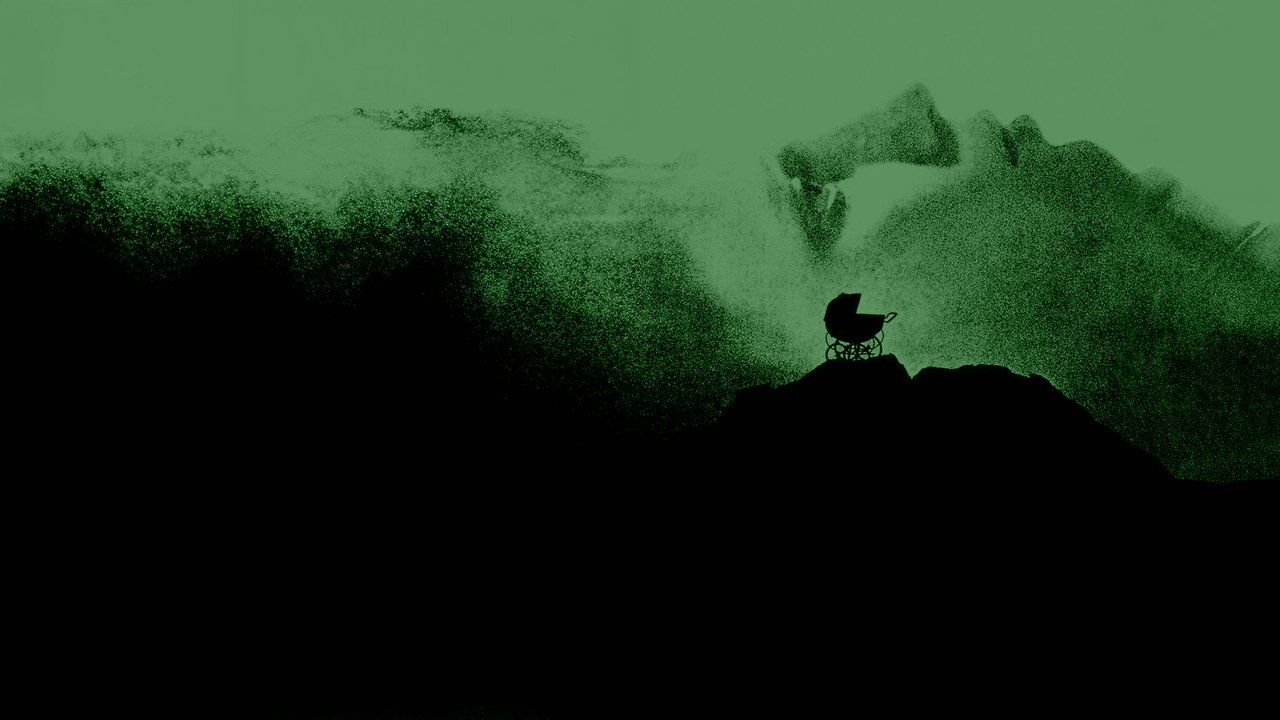
Roman Polanski’s adaptation of Ira Levin’s 1967 novel is the template every paranoid thriller since has borrowed from. Mia Farrow plays Rosemary Woodhouse, a young wife who moves into a grand Manhattan apartment building with her actor husband (John Cassavetes) and slowly becomes convinced the friendly elderly neighbours have plans for her pregnancy. Ruth Gordon won the Best Supporting Actress Oscar for playing Minnie Castevet, the nosiest neighbour in cinema history, and she is hilarious right up until she isn’t.
What makes this a horror film rather than a domestic thriller is how completely Polanski sides with Rosemary’s point of view. You see what she sees, you doubt what she doubts, and the film never lets you step outside her head to check. Paramount gave it a studio budget and a prestige cast, which is why it still looks like a glossy drama while playing like a slow-motion trap. There is no blood, no creature, and barely a raised voice. It earns its spot because the final scene is quietly as bleak as anything in the “horror movies supernatural” canon, and it gets there without a single cheap trick.
Who it suits: first-time horror viewers who hate gore, couples, anyone who wants to understand where Hereditary and Apartment 7A came from.
The Silence of the Lambs (1991)
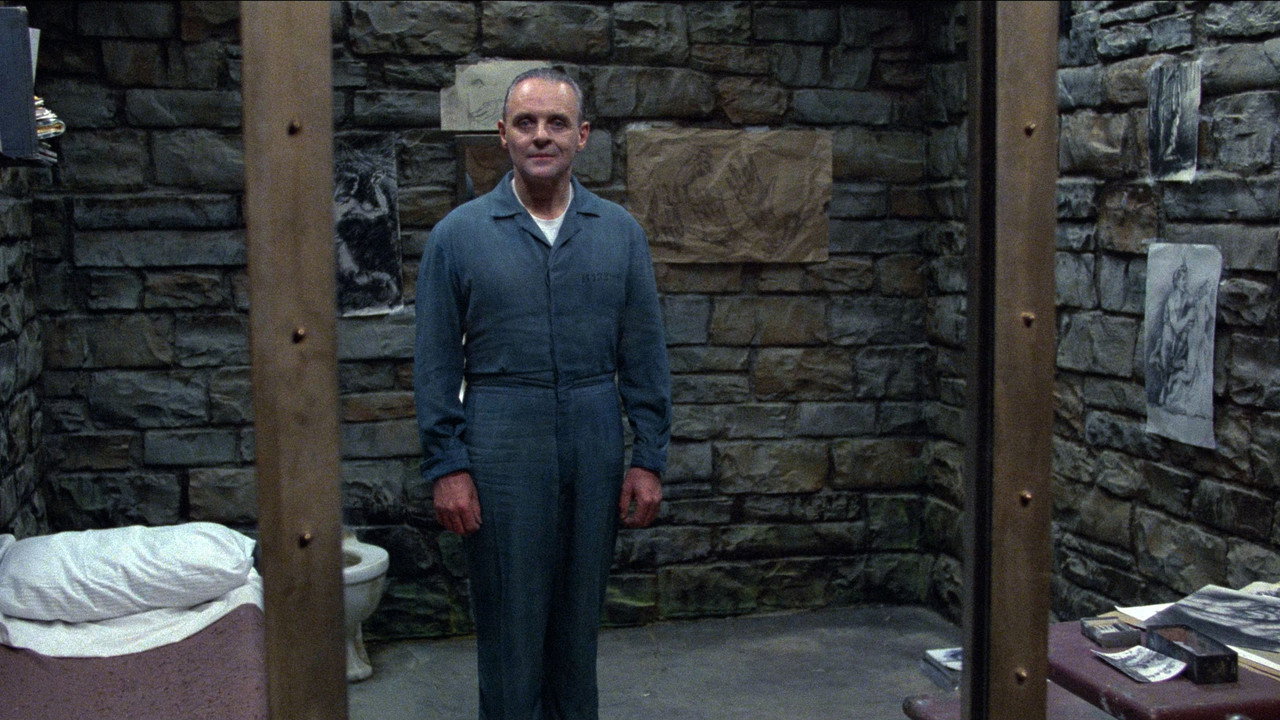
Jonathan Demme’s film is the one entry here that swept the big five Oscars, which tells you how far a horror-adjacent film can travel when the craft is this tight. Jodie Foster plays FBI trainee Clarice Starling, sent to interview the imprisoned psychiatrist and cannibal Hannibal Lecter (Anthony Hopkins) for help catching a killer the press has nicknamed Buffalo Bill. Hopkins is on screen for roughly a quarter of an hour and controls the entire picture anyway.
The thriller engine is a straightforward procedural. The horror is in the details: the moth cocoon in a victim’s throat, the pit in the basement, the night-vision finale where you can see and Clarice can’t. Buffalo Bill was drawn from several real cases, including the Wisconsin killer whose story got a fresh wave of attention through the Ed Gein Netflix series, and Demme’s refusal to glamorise him keeps the film honest.
Who it suits: thriller fans crossing over to horror for the first time, true-crime readers, anyone who wants a smart lead character rather than a screaming one.
Misery (1990)
Rob Reiner had just made The Princess Bride and When Harry Met Sally when he took on Stephen King’s novel about a romance writer held captive by his “number one fan”. That tonal range is why Misery works. Kathy Bates won the Best Actress Oscar as Annie Wilkes, the former nurse who rescues Paul Sheldon (James Caan) from a car wreck and then refuses to let him leave until he writes a new novel bringing back Misery Chastain, the character he had killed off.
For an hour this is a two-hander stage play with a snowbound cabin standing in for the stage. Then comes the sledgehammer scene, which William Goldman’s script softened from the book’s axe and which still makes audiences shout at the screen. Castle Rock and Columbia marketed it as a thriller, and it is one, but the sense that Annie could flip from cheerful to murderous in a single line is pure horror. Every other captivity film owes it a debt.
Who it suits: King fans, people who want a single great villain performance, viewers who can handle one hard scene but not a steady diet of them.
Jacob’s Ladder (1990)
Tim Robbins plays Jacob Singer, a Vietnam veteran and postal worker who starts seeing things on the New York subway that shouldn’t be there: faceless figures, twitching heads, demons in the back seats of cars. Adrian Lyne, fresh from Fatal Attraction, shot it like a grimy drama and let the horror leak in through the edges of the frame. Bruce Joel Rubin’s script bounces between Jacob’s past, his present, and a hospital sequence that still ranks among the most disturbing ever put in a mainstream film.
If you have played any of the “horror games” from the Silent Hill series, you have already seen Jacob’s Ladder’s fingerprints. Team Silent cited it openly, and the rusted hospital gurneys and shuddering heads of Silent Hill 2 come straight from Lyne’s vision. Carolco and TriStar had no idea how to sell it in 1990, which is why it flopped and then grew into a cult title. Skip the 2019 remake entirely.
Who it suits: Silent Hill players, viewers who like being confused on purpose, anyone who found The Sixth Sense too comforting.
Perfect Blue (1997)
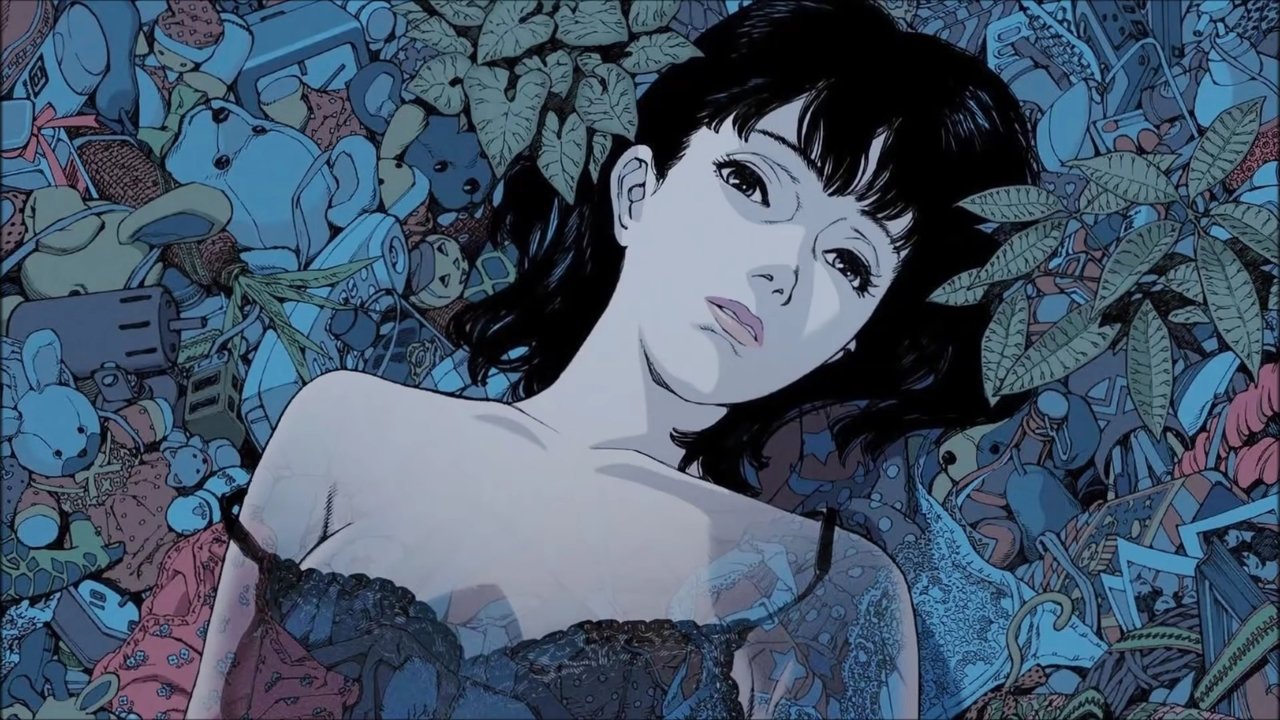
Satoshi Kon’s debut feature, animated at Madhouse, follows pop idol Mima Kirigoe as she leaves her group CHAM! to become an actress. A stalker who runs a website written in her voice, a producer pushing her into an exploitative drama series, and a figure in a mirror who insists she is “the real Mima” all close in at once. Kon cuts between Mima’s life and the show she is filming until you cannot tell which one you are watching.
This is the film that proves animation can do psychological horror better than live action, because the medium itself can lie to you. Nobody blinks at an impossible cut in a cartoon, and Kon weaponises that. Darren Aronofsky recreated one of its shots in Requiem for a Dream, and Black Swan, further down this list, is in part a live-action cover version. The stalker material has only gotten more relevant in the twenty-odd years since.
Who it suits: anime sceptics who need convincing, Black Swan fans, anyone interested in how fame fractures a person. Not for younger viewers despite being animated.
Cure (1997)
Kiyoshi Kurosawa’s masterpiece, released by Daiei in Japan, is the quietest film here and possibly the most unsettling. Koji Yakusho plays Detective Takabe, investigating a string of murders where the killers are ordinary people who can’t explain why they carved an X into their victims’ necks. The common thread is an amnesiac drifter called Mamiya (Masato Hagiwara) who answers every question with a question and leaves people different than he found them.
There is no score to speak of, almost no camera movement, and the violence mostly happens in long static shots that refuse to look away. Cure’s horror is the idea that a few minutes of conversation could rewire you. It predates Ringu by a year and arguably shaped the whole J-horror wave, but it belongs with thrillers because the detective structure holds right to the end. The Criterion release makes it easy to find now, which wasn’t true for most of its life.
Who it suits: patient viewers, fans of Se7en and Zodiac, anyone who wants a horror film that works on ideas rather than shocks.
Audition (1999)
Takashi Miike’s adaptation of Ryu Murakami’s novel is the reason this list has a separate gore rating. Widower Shigeharu Aoyama (Ryo Ishibashi) lets a producer friend talk him into holding a fake film audition to meet women. He falls for Asami (Eihi Shiina), a soft-spoken former ballerina with a gap in her history. For an hour and a half this is a gentle, almost romantic drama with a few strange details you might not notice.
Then the sack moves. The last twenty minutes are a legendary endurance test, and the phrase “kiri kiri kiri” has been giving fans nightmares since the film played Rotterdam in 2000. What makes Audition a psychological thriller rather than just a torture film is how patiently Miike builds Asami’s perspective, so the violence feels like a verdict rather than a gimmick. It is devastating in a way most extreme cinema never manages.
Who it suits: experienced horror viewers only. If you can’t handle practical gore, watch Cure instead and come back to this one later. Possibly never.
Session 9 (2001)
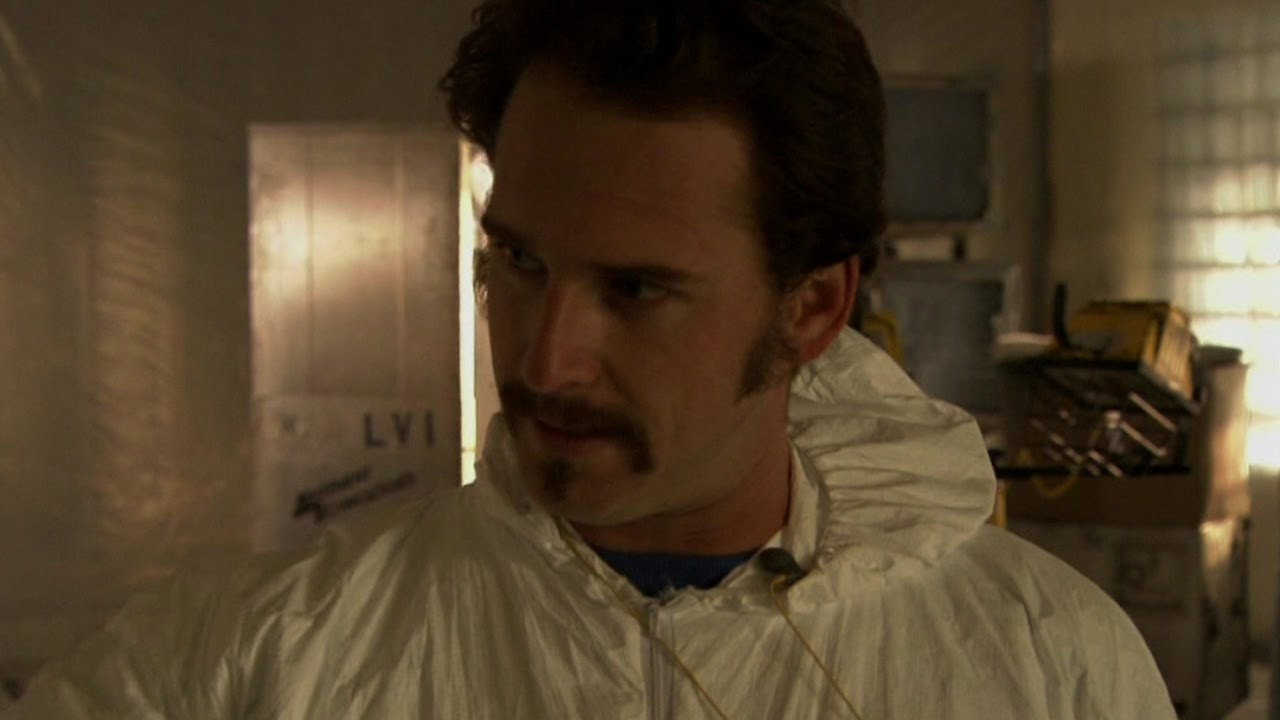
Brad Anderson shot this on early digital cameras inside the real, abandoned Danvers State Hospital in Massachusetts, and the location does half the work. An asbestos removal crew led by Gordon (Peter Mullan) takes a rushed contract to strip the place in a week. One of the crew finds reel-to-reel tapes of a patient’s therapy sessions, and the film cuts between the crew falling apart and the recordings counting down to session nine.
USA Films released it with almost no push and it sank, but it has quietly become one of the most recommended “scary thriller movies” on message boards for good reason. There is no ghost you can point to, and the horror comes from exhaustion, money pressure, and a building that seems to know what everyone is hiding. David Caruso, in his last role before CSI: Miami, delivers a line about leaving that has become a meme and still lands in context.
Who it suits: fans of The Shining who want something smaller and grubbier, anyone who likes workplace tension, viewers who prefer ambiguity to answers.
Black Swan (2010)
Natalie Portman won the Best Actress Oscar as Nina Sayers, a ballerina with the New York City company cast as both the White and Black Swan in a new Swan Lake. Her director (Vincent Cassel) wants her to loosen up, her mother (Barbara Hershey) wants her to stay a child, and a new dancer (Mila Kunis) might be after her part. Darren Aronofsky treats the rehearsal room like a haunted house.
Fox Searchlight sold it as awards drama, which is why a lot of people walked in unprepared for the skin peeling, the cuticle tearing, and the mirror that moves a beat after Nina does. This is Perfect Blue reworked through Polanski’s Repulsion, and Aronofsky has never hidden either debt. The horror is body horror, the thriller is career pressure, and the two feed each other until the final performance.
Who it suits: viewers who like their horror dressed up in prestige, dancers and musicians who know what obsession costs, date night if your date can handle fingernails.
The Babadook (2014)
Jennifer Kent’s debut, expanded from her 2005 short Monster and produced by Causeway Films in Australia, is about a widowed mother named Amelia (Essie Davis) and her six-year-old son Samuel (Noah Wiseman), who is convinced a top-hatted creature from a pop-up book lives in their house. The brilliance is that Kent never fully settles whether the Babadook is real, and the film works just as hard either way.
Read as a thriller, it is a film about a woman who has not slept properly in years being pushed to the edge by a child who needs more than she has. Read as horror, the pop-up book sequences and the hall-light scene are up there with the “most terrifying” moments of the last decade. Davis gives one of the great horror performances, swinging from exhausted to monstrous within a single scene, and Wiseman is the rare child actor who makes you understand why she snaps.
Who it suits: parents (brace yourself), viewers who want horror with emotional weight, people who found It Follows too cold.
Get Out (2017)
Jordan Peele’s debut cost Blumhouse around $4.5 million and made about $255 million worldwide, which permanently changed what studios would fund. Chris (Daniel Kaluuya) goes to meet his white girlfriend’s family for a weekend at their country house. The parents are a little too welcoming, the Black staff act strangely, and a hypnosis session with his girlfriend’s mother leaves Chris somewhere the film calls the Sunken Place.
Peele won the Original Screenplay Oscar for a script that is a social thriller first, a satire second, and a horror film whenever it feels like it. The teacup scene is one of the best uses of a single sound effect in the genre. It crosses into horror for the final act, and plenty of fans will tell you the garden party is scarier than anything with blood in it. Watch it with people, because the conversation afterwards is half the experience.
Who it suits: newcomers to horror, mixed groups where someone claims they hate scary movies, anyone who wants to figure out the clues on a second viewing.
Saint Maud (2019)
Rose Glass’s first feature, backed by Film4 and StudioCanal and released in the US by A24, is a small film about a huge delusion. Maud (Morfydd Clark) is a private palliative care nurse in Scarborough who has recently found God and believes she has been sent to save the soul of her patient, a dying dancer named Amanda (Jennifer Ehle). Amanda is amused by Maud right up until she isn’t.
Glass keeps you inside Maud’s head so completely that her ecstasies feel real, which is the whole trick. You can read this as a possession film, a psychiatric case study, or a story about loneliness in a seaside town in winter, and all three are true at once. At 84 minutes it wastes nothing, and the last shot is a single cut that fans still argue about. It is psychological thriller horror in the purest sense: no external threat, only a mind.
Who it suits: fans of The Babadook and Black Swan, viewers who like religious horror without exorcists, anyone who wants a short, hard film they can’t shake.
Speak No Evil (2022)
Christian Tafdrup’s Danish original (titled Gæsterne at home) is the film on this list most likely to ruin your week. A Danish couple, Bjørn and Louise, meet a charming Dutch couple on holiday in Tuscany and accept an invitation to visit their farmhouse. Small rudenesses pile up. The hosts’ son barely speaks. Every time Bjørn and Louise consider leaving, politeness drags them back.
It is a thriller about social cowardice, and it turns the inability to say “no” into a horror mechanism as effective as any locked door. Shudder picked it up for the US and it spread by word of mouth, mostly in the form of people warning each other. James Watkins’s 2024 Blumhouse remake with James McAvoy, Mackenzie Davis and Scoot McNairy is a decent home-invasion thriller that gives the story a fight-back spine the original deliberately refuses. Watch the Danish version first. If you only see one, make it that one, and keep the remake for when you need to feel better.
Who it suits: nobody who is already anxious about a social obligation this week. Seasoned viewers who want the bleakest thing on the list.
Smile 2 (2024)
Parker Finn’s sequel takes the curse from the 2022 original and hands it to pop star Skye Riley (Naomi Scott), who is a year sober and about to launch a comeback tour when people around her start grinning. Paramount gave Finn a bigger budget and he spent it on long takes, a dance rehearsal that becomes a chase, and a lead performance that carries the film through its slower stretches.
It belongs here rather than on a straight supernatural list because the plot runs on Skye’s unreliability. She has a history of addiction, a controlling mother, and a public that is waiting for her to fail, so the question of whether she is cursed or cracking stays open far longer than the marketing suggested. Kyle Gallner returns from the first film to hand off the lore, and the final stretch goes bigger than almost anything else here. It is the one pick on this list built for a loud crowd.
Who it suits: fans of the first Smile, anyone who liked Perfect Blue and Black Swan and wants a modern, louder version, viewers who enjoy jump scares rather than tolerate them.
Strange Darling (2024)
JT Mollner’s second feature premiered at Fantastic Fest in 2023 and got a proper release through Magenta Light Studios in August 2024. It is told in six chapters, out of order, following a one-night stand between a woman (Willa Fitzgerald) and a man (Kyle Gallner, pulling double duty on this list) that turns into a hunt through rural Oregon. Giovanni Ribisi shot it on 35mm and it looks like a lost 1970s drive-in print.
The less you know the better, which is why this entry is short. What you can be told is that the chapter order is the film’s whole argument, and the moment the pieces click is the kind of thing fans text each other about. It is a thriller by structure and horror by temperature, with a few scenes of real nastiness and a running joke about a certain breakfast order that somehow makes the tension worse.
Who it suits: people who loved Barbarian’s swerves, viewers who want something new that doesn’t feel like a franchise, anyone who skipped the trailer. If you have seen the trailer, you have seen too much.
Pick one for the mood you’re in
Can’t handle gore at all: Rosemary’s Baby, Cure, Get Out. All three keep the blood low and the dread high.
First psychological horror film ever: The Silence of the Lambs or Get Out. Both have a conventional plot shape to hold onto while the horror creeps in.
Group night where someone claims nothing scares them: Smile 2 for the jumps, then Speak No Evil to prove them wrong.
Solo, lights off, want to feel wrecked: Saint Maud, The Babadook, Jacob’s Ladder. Pick one. Do not double-feature them.
Want something with real craft to admire: Perfect Blue, Black Swan, Cure. Each is as much about filmmaking as fear.
Experienced viewer looking for the hardest cut: Audition, then Speak No Evil. In that order, with a week between them.
Near misses and honourable mentions
Several films that show up in every “what to watch” thread deserve a line even if they didn’t make the fifteen.
Fatal Attraction (1987) is the thriller that taught Hollywood how to make a date film feel like a slasher, and Glenn Close’s Alex Forrest is one of the great screen antagonists. It stops just short of horror, which is why it sits here. There is one piece of production history worth knowing, though.
Spoiler warning
The next paragraph discusses the original and reshot endings of Fatal Attraction (1987).
Adrian Lyne’s first cut ended with Alex taking her own life and framing Dan for murder with a knife carrying his prints, a bleak coda closer to Rosemary’s Baby than to a studio thriller. Test audiences hated it, Paramount ordered reshoots, and the bathroom confrontation where Beth shoots Alex replaced it. Japan briefly saw the original. The theatrical version is the more horror-shaped one, which says something about what audiences wanted in 1987.
Orphan: First Kill (2022) is a prequel that pulls off one hard turn and is far more fun than it has any right to be, though it is a thriller with a horror costume rather than the other way round. Apartment 7A (2024) is a Rosemary’s Baby prequel from Paramount with a strong Julia Garner performance that mostly reminds you how good the 1968 film is. The Last Stop in Yuma County (2023) is a tight diner-set crime thriller that gets nasty but never scary. Se7en (1995) and Funny Games (1997, remade shot for shot by Haneke in 2007) are both on the border and both belong on any list of the “greatest horror” adjacent films, but each is really a crime picture and a lecture respectively.
If you want to go back further, Repulsion (1965) is Polanski’s dry run for Rosemary’s Baby and arguably the first true psychological horror thriller, with Catherine Deneuve alone in a flat as the walls start to reach for her. It is hard to find on streaming but worth a disc.
FAQ
What is the difference between a psychological thriller and psychological horror?
A psychological thriller keeps the threat human and the stakes explainable, even when the lead’s mind is unreliable. Psychological horror lets the unreliability itself become the threat, so you can no longer separate what is happening from what the character fears. Most films on this list start as the first and finish as the second. Saint Maud and The Babadook are the clearest examples of a film living in both at once.
Which psychological thriller movies are scary without gore?
Rosemary’s Baby, Cure, Get Out and Session 9 all keep blood to a minimum and still earn high dread ratings. Cure is the strongest pick if you want to be genuinely frightened without a single effects shot. The Silence of the Lambs has a couple of grim images but nothing lingering.
What is the scariest psychological thriller on this list?
Speak No Evil (2022) and Audition (1999) are the two 5/5 ratings, for different reasons. Audition is a physical ordeal in its last act. Speak No Evil is quieter and arguably worse, because every awful thing in it happens as a result of people being polite. Jacob’s Ladder and Saint Maud come next for anyone who wants intense but survivable.
Are these films good for a first horror movie?
Get Out and The Silence of the Lambs are the safest entry points: strong plots, smart leads, and horror that arrives in measured doses. Misery works if your first-timer likes a single memorable villain. Steer clear of Audition and Speak No Evil until they have a few films under their belt.
Why do so many psychological horror thrillers come from Japan?
Cure, Audition and Perfect Blue all landed between 1997 and 1999, with Daiei producing Cure, Madhouse animating Perfect Blue, and Omega Project backing Audition, each of them willing to let a director keep horror slow and internal. That wave fed directly into Ringu and the J-horror boom, and its influence runs through Silent Hill and the psychological strand of horror games that followed. The common thread is patience: long takes, minimal score, and faith that an audience will sit with discomfort.